

Software Brutalism: Why Infrastructure Should Be Ugly
Stop trying to make production “delightful.” Reliability requires exposed pipes, raw concrete, and the death of the “Single Pane of Glass.”
We are drowning in “delightful” dashboards.
Every vendor pitch begins with a promise to abstract away the complexity of your stack. They sell you a “Single Pane of Glass”—a sleek, rounded-corner UI that hides the messy reality of distributed systems behind green checkmarks and simplified topology maps.
This is a lie. And it is dangerous.
When a production database locks up at peak load, “delight” is not a requirement. Truth is.
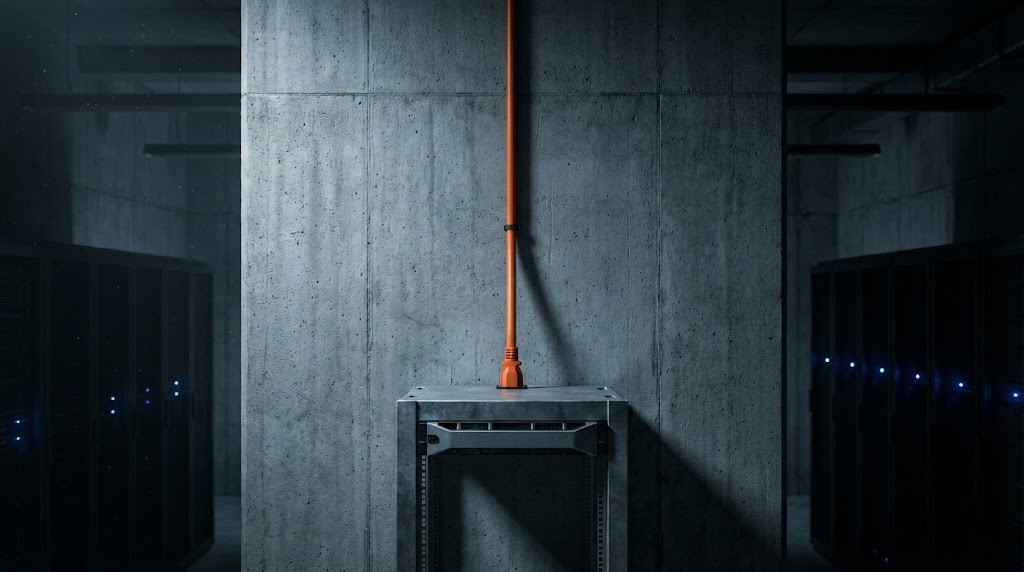
In architecture, Brutalism was a movement that showcased the raw materials of construction. Exposed concrete. Visible structural steel. Unpainted surfaces. It wasn’t trying to be pretty; it was trying to be honest.
We need a return to Software Brutalism. We need tools that stop trying to hide the plumbing and start showing us the cracks in the concrete.
The Abstraction Tax
“Pretty” is a tax you pay with your uptime.
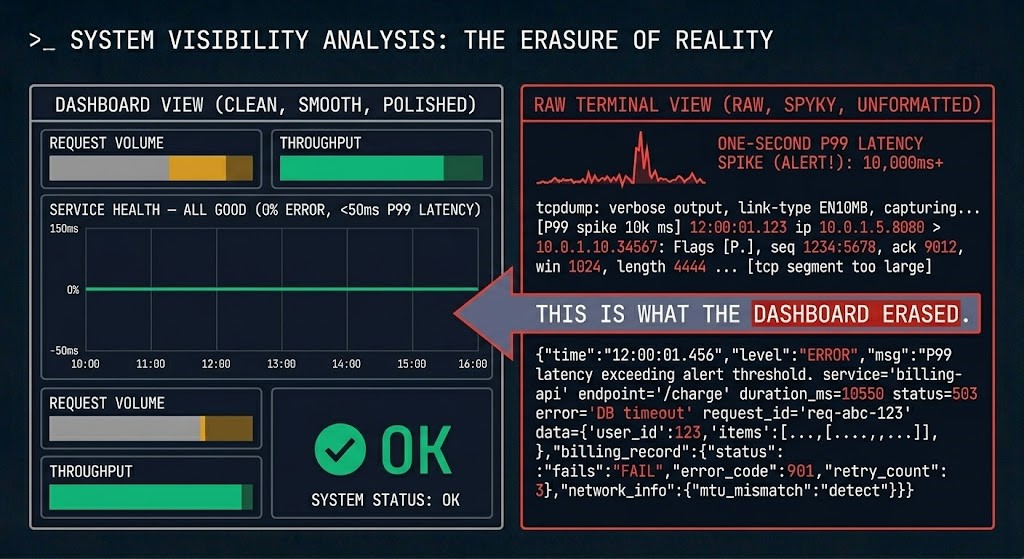
Modern observability tools are obsessed with “User Experience.” They want their dashboards to look like consumer apps. They aggregate data points to make the charts look smooth. They hide “complex” error logs behind “friendly” summary cards.
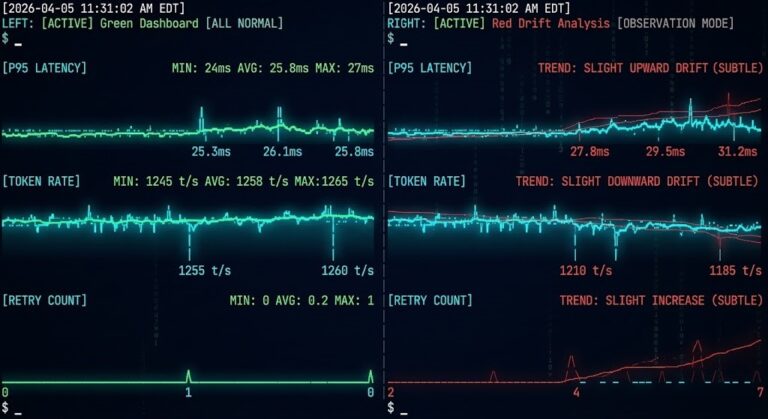
In a high-velocity environment, this abstraction is a liability. When a dashboard “smooths out” a graph to make it look cleaner, it is literally deleting the truth. That single, one-second spike in P99 latency that the smoothing algorithm erased? That was the root cause. That was the microburst that filled the buffer and triggered the latency cascade three minutes later.
By the time the “pretty” dashboard shows you a red light, the damage is done. The raw tcpdump, the ugly strace, and the unformatted JSON log would have shown you the truth instantly. But the UI designer thought raw text looked “intimidating,” so they hid it behind a generic “Service Degraded” badge.
We don’t need “approachable” tools. We need exposed rebar.
The “Single Pane” Shatters
There is no phrase in this industry more dangerous than “Single Pane of Glass.”
Vendors sell it as the Holy Grail: One screen to rule them all. Kubernetes, Database, CDN, and Security, all in one unified view.
The problem is physics.
To fit a Postgres query plan, a Kubernetes pod lifecycle, and a BGP route leak onto the same screen, you have to strip away 90% of the context. You are forced to use the “Least Common Denominator” of data. You get a generic “CPU High” alert, but you lose the specific context of which thread was spinning.
Real engineering happens in the fragments.
- The DBA needs the ugly, specific internals of
pg_stat_statements. - The Network Engineer needs the raw BGP feed.
- The DevOps Lead needs the messy, verbose K8s event log.
Trying to force these distinct, complex realities into a single UI doesn’t create clarity. It creates a “fragile glass” that shatters the moment you need to drill down into what is actually breaking.
Embrace the Concrete
Stop apologizing for “ugly” internal tools. Stop trying to “gamify” your incident response. Stop hiding the complexity of your system behind a “delightful” abstraction layer.
If it loads in 10ms, it is beautiful. If it shows me the raw error in plain text, it is beautiful. If it tells me the truth, it is beautiful.
Let the marketing team have the gradients. We’ll take the concrete.
>_ THE OPERATIONAL REALITY CHECK
If you prefer raw engineering over vendor fluff, check out our Architecture Failure Playbooks. No gradients. No sales pitch. Just the physics of keeping the lights on.
Architect’s Verdict
The industry spent a decade making infrastructure “approachable.” The result is a generation of engineers who can read a dashboard but cannot read a packet capture. Who can click through a topology map but cannot interpret a kernel log. Who know what the green checkmark means but have never seen what it is hiding.
Abstraction is not the enemy. Premature abstraction is. The right time to hide complexity is after you understand it — not before. A dashboard that smooths your P99 latency spike is not simplifying your environment. It is lying to you about it.
Software Brutalism is not a rejection of tooling. It is a rejection of tooling that optimizes for comfort over truth. The exposed pipe is not ugly. It is honest. The raw log is not intimidating. It is the signal. The unformatted JSON is not a UX failure. It is the system telling you exactly what happened, in the language it actually speaks.
Build for truth. Let the vendors keep the gradients.
Additional Resources
Editorial Integrity & Security Protocol
This technical deep-dive adheres to the Rack2Cloud Deterministic Integrity Standard. All benchmarks and security audits are derived from zero-trust validation protocols within our isolated lab environments. No vendor influence.

R.M.
Senior Solutions Architect with 25+ years of experience in HCI, cloud strategy, and data resilience. As the lead behind Rack2Cloud, I focus on lab-verified guidance for complex enterprise transitions. View Credentials →
Get the Playbooks Vendors Won’t Publish
Field-tested blueprints for migration, HCI, sovereign infrastructure, and AI architecture. Real failure-mode analysis. No marketing filler. Delivered weekly.
Select your infrastructure paths. Receive field-tested blueprints direct to your inbox.
- > Virtualization & Migration Physics
- > Cloud Strategy & Egress Math
- > Data Protection & RTO Reality
- > AI Infrastructure & GPU Fabric
Zero spam. Includes The Dispatch weekly drop.
Need Architectural Guidance?
Unbiased infrastructure audit for your migration, cloud strategy, or HCI transition.
>_ Request Triage Session