

Migration Path Authorization: Who Approves the VDDK-Free Route?
DirectPath removes the VDDK requirement for ESXi-to-AHV migrations, not the need for privileged vCenter access. Five parts of a record decide who approves the route.
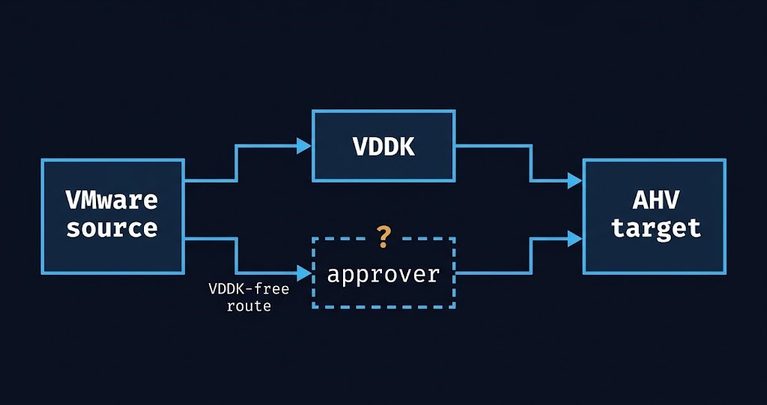
DirectPath removes the VDDK requirement for ESXi-to-AHV migrations, not the need for privileged vCenter access. Five parts of a record decide who approves the route.
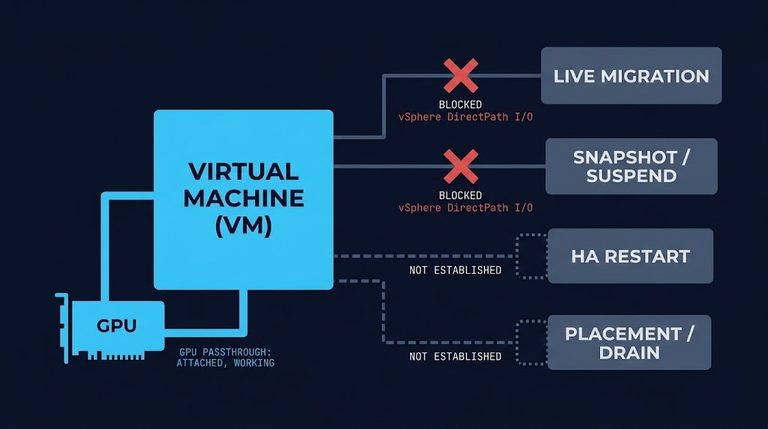
A GPU that works on the destination has passed a performance test, not a lifecycle test. The device-access mode constrains which VM operations survive a VMware exit, and the documentation covers less of that than most plans assume.
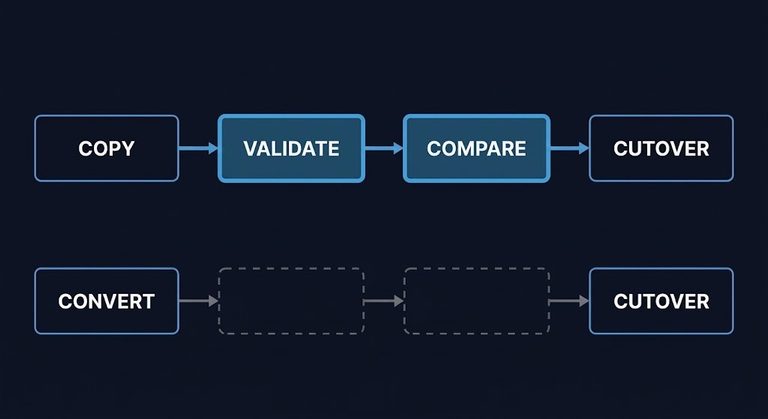
Zero-copy migration removes one of the most time-consuming parts of a VMware migration: moving the data itself. What it does not remove are the identity, dependency, survivability, and verification risks that still determine whether the migration actually succeeds — and conflating the two is how a genuine engineering improvement gets sold as a safety feature…
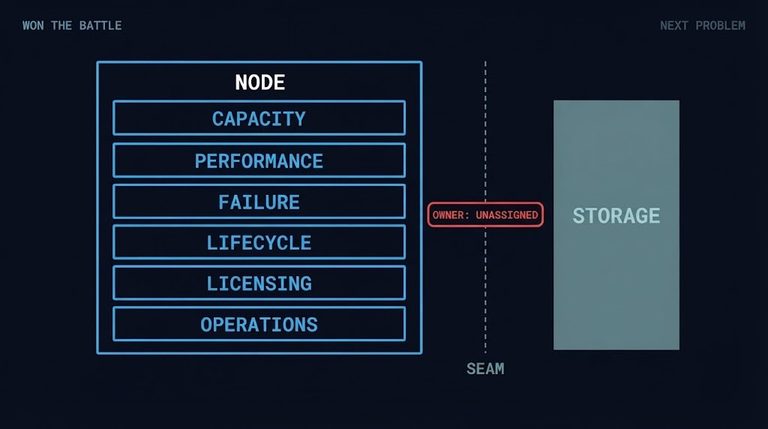
Hyperconverged infrastructure won the architecture argument it set out to win, and the way it won is exactly why the next problem is harder than the last one. The companion piece on Kubernetes and virtual machines argued that the enterprise stack is a set of layers stacked on top of each other, not layers replacing…
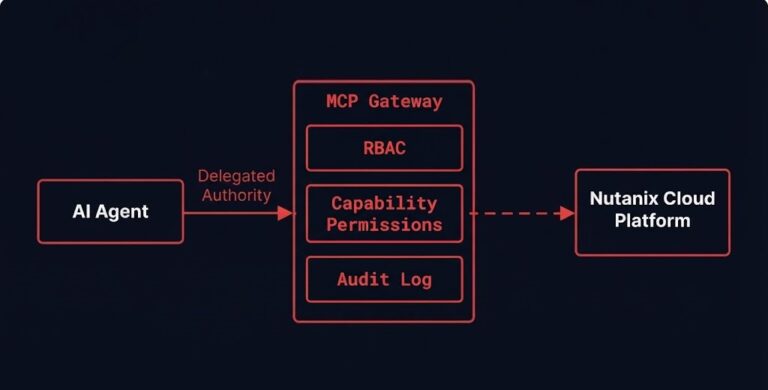
Nutanix’s MCP gateway is one of the clearest examples yet of enterprise AI infrastructure adding a real governance layer around agent access. The problem is that access governance and authority governance are not the same thing. On August 26, Nutanix made MCP server management generally available in Nutanix Enterprise AI 2.8 through Nutanix Agent Gateway,…
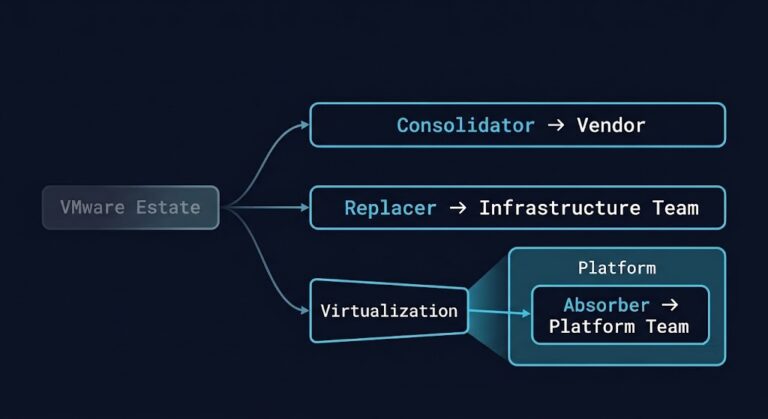
The virtualization market has stopped behaving like a two-sided argument about which hypervisor wins, and if you’re still evaluating it that way, you’re answering the wrong question. Two years past the Broadcom license shock, the noise has resolved into three distinct camps, and none of them are actually arguing about hypervisors anymore. They’re arguing about…
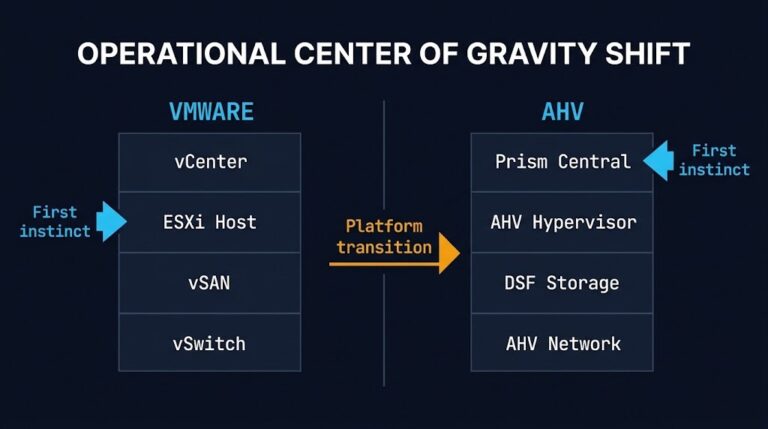
The operational friction begins after the migration succeeds. Workloads are running. Clusters are stable. Teams declare victory — then discover that platform relocation and operational normalization are two different problems. This post begins where migration stabilization ends. If you are still in the cutover phase, start with the VMware to Nutanix migration Day-2 operations guide,…
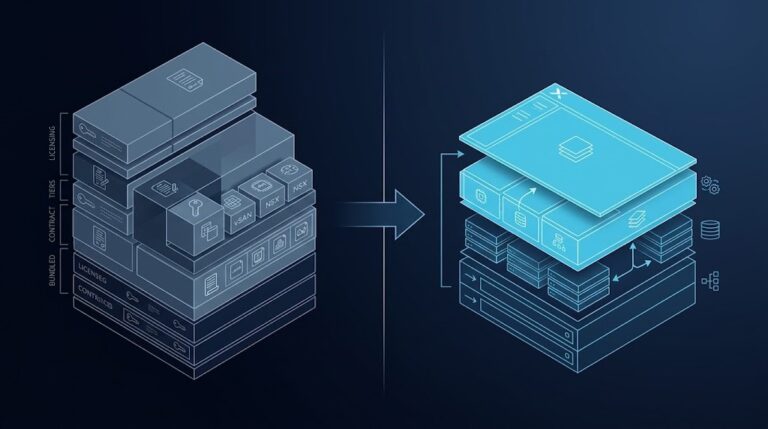
The Nutanix vs VMware post-Broadcom decision isn’t a hypervisor evaluation anymore — it’s a vendor-exposure decision with multi-year budget consequences. Pre-Broadcom, the VMware vs. Nutanix conversation was an architecture conversation. You weighed feature sets, performance characteristics, ecosystem depth, and operational fit. The hypervisor was a technical decision. Post-Broadcom, the unit of decision changed entirely. You…
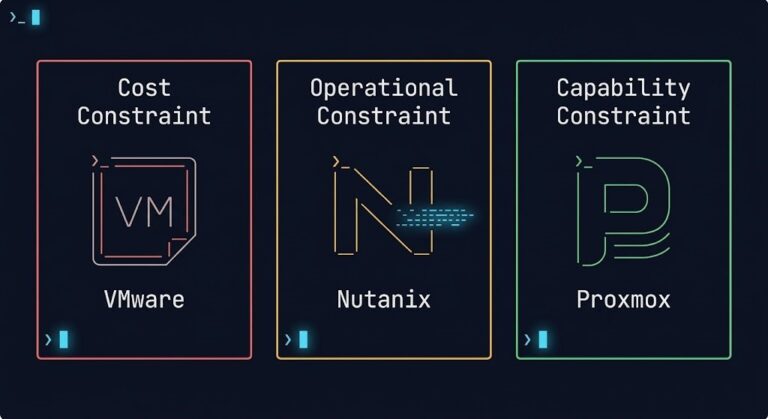
The Proxmox vs Nutanix vs VMware decision looks different in 2026 than it did two years ago. Broadcom didn’t just change VMware pricing — it changed the decision model entirely. This is no longer a feature comparison between hypervisors. Every enterprise infrastructure team re-evaluating their platform right now is working through the same problem, and…
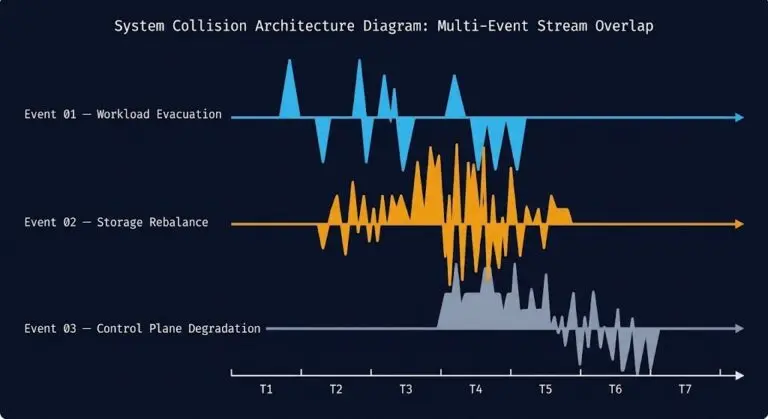
>_ The Post-Broadcom Migration Series Complete — Part 1 — Execution Physics Beyond the VMDK: Translating Execution Physics from ESXi to AHV Complete — Part 2 — Resource Contention The Controller Tax: Modeling Hyperconverged Resource Contention Complete — Part 3 — High-I/O Cutover Migration Stutter: Handling High-I/O Cutovers Without Data Loss Complete — Part 4…