

Migration Path Authorization: Who Approves the VDDK-Free Route?
DirectPath removes the VDDK requirement for ESXi-to-AHV migrations, not the need for privileged vCenter access. Five parts of a record decide who approves the route.
Virtualization Architecture
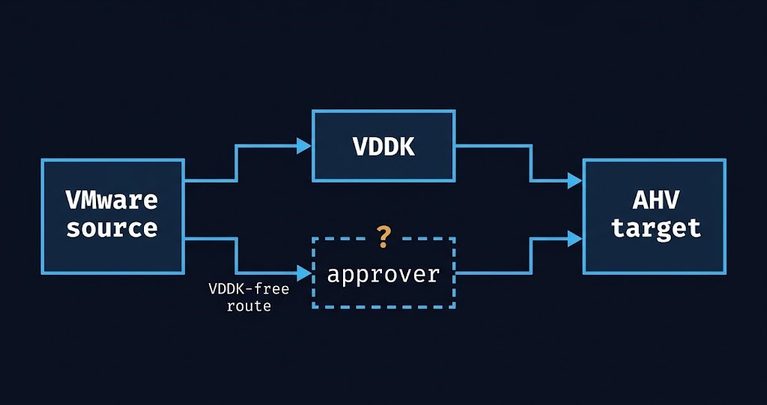
DirectPath removes the VDDK requirement for ESXi-to-AHV migrations, not the need for privileged vCenter access. Five parts of a record decide who approves the route.
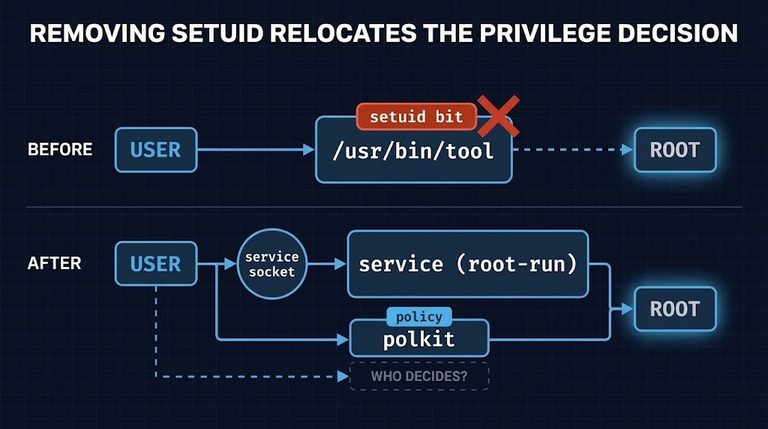
A setuid replacement moves privilege decisions from a file mode bit into services and polkit policy. A function-by-function map from an openSUSE proof of concept, with the gaps left visible.
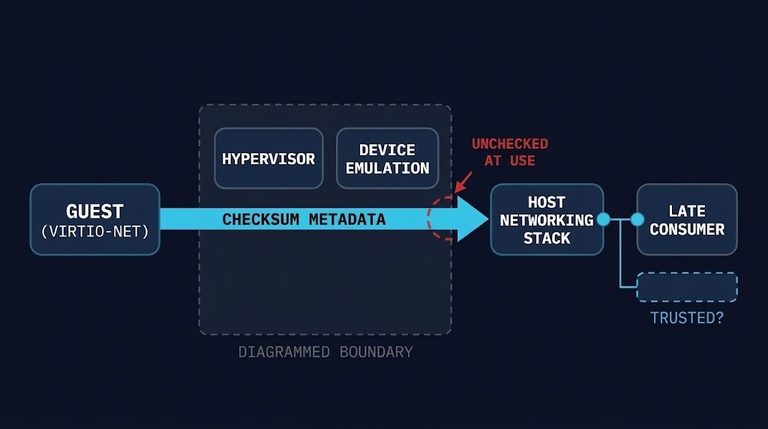
A checksum hint from a guest reaches host IPv4 code that acts on it after the packet is parsed. What CVE-2026-99999 shows about where the isolation boundary sits.
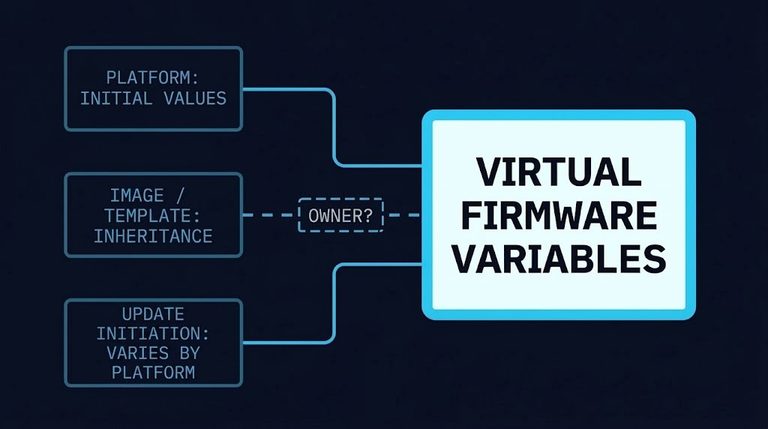
Secure Boot trust is not solely a property of the hypervisor. It is enforced through virtual-firmware state, and the parties that initialize, inherit and update that state are not necessarily the parties that rely on it. A hypervisor can offer Secure Boot, an image can carry a bootloader that assumes it, and a guest operating…
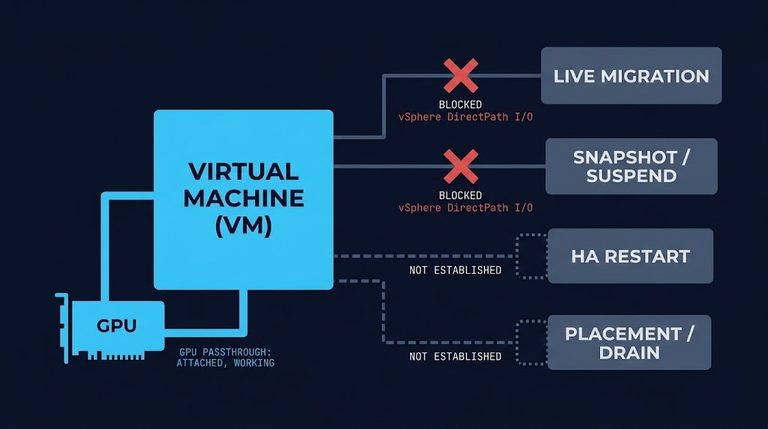
A GPU that works on the destination has passed a performance test, not a lifecycle test. The device-access mode constrains which VM operations survive a VMware exit, and the documentation covers less of that than most plans assume.
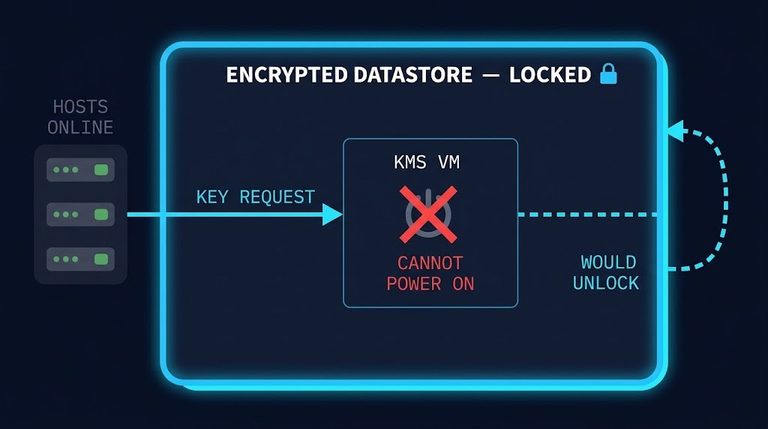
A KMS circular dependency turns an online cluster into an unreadable one: the data needs a key, and the service that holds the key lives on the data. Hosts can be running, membership can be intact, and the storage can still be unable to complete the unlock path. What “Available” Hides Availability and readability are…
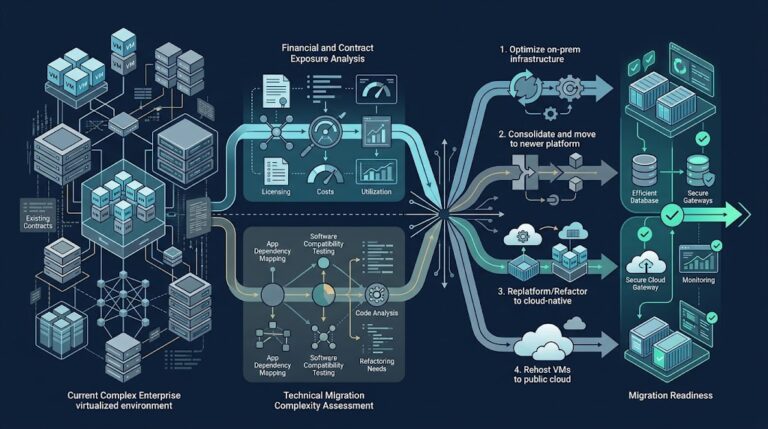
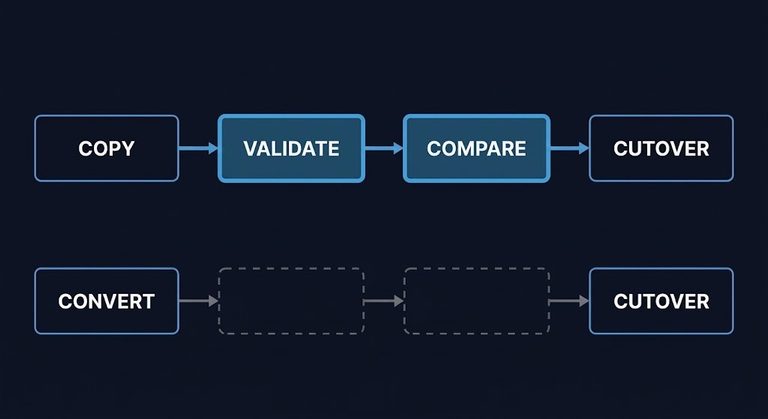
Zero-copy migration removes one of the most time-consuming parts of a VMware migration: moving the data itself. What it does not remove are the identity, dependency, survivability, and verification risks that still determine whether the migration actually succeeds — and conflating the two is how a genuine engineering improvement gets sold as a safety feature…
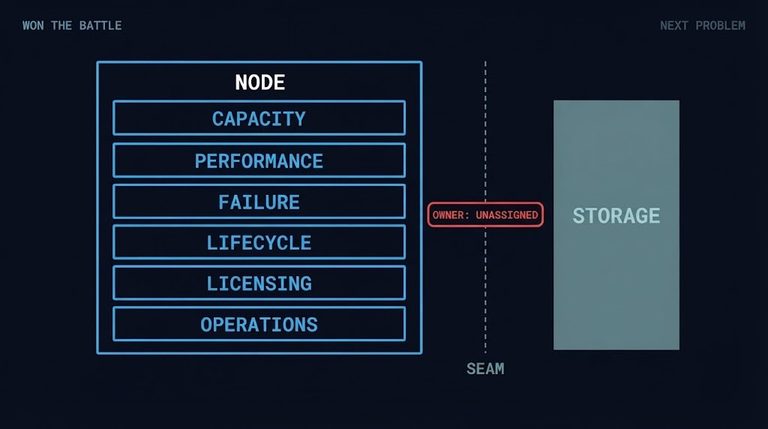
Hyperconverged infrastructure won the architecture argument it set out to win, and the way it won is exactly why the next problem is harder than the last one. The companion piece on Kubernetes and virtual machines argued that the enterprise stack is a set of layers stacked on top of each other, not layers replacing…
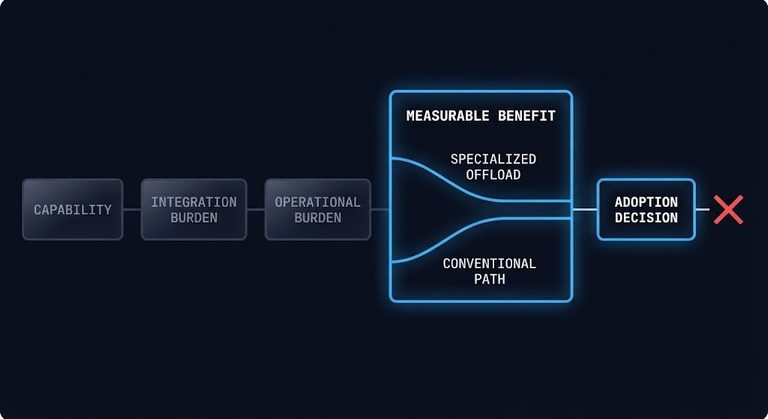
Offload dependency is the test every specialized-hardware bet eventually has to pass, and VMware just showed what happens when the dependency stops earning its keep. At VMware Explore this month, Broadcom VP/GM Umesh Mahajan told the room that VMware has “walked back from that space” — SmartNIC-based network offload, the layer VMware spent years building…