

Certified Device Firmware Is Admission Evidence. It Is Not Behavior Assurance.
Certification admitted the device. It did not assign an owner to what the firmware does next. A buyer’s lifecycle evidence table, purchase to takedown.
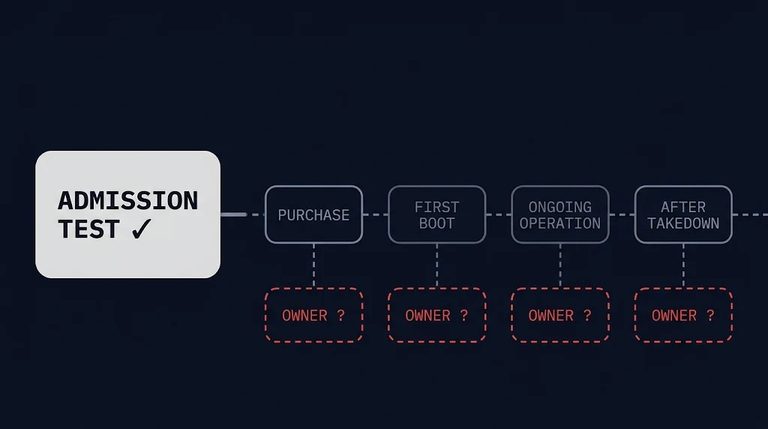
Certification admitted the device. It did not assign an owner to what the firmware does next. A buyer’s lifecycle evidence table, purchase to takedown.
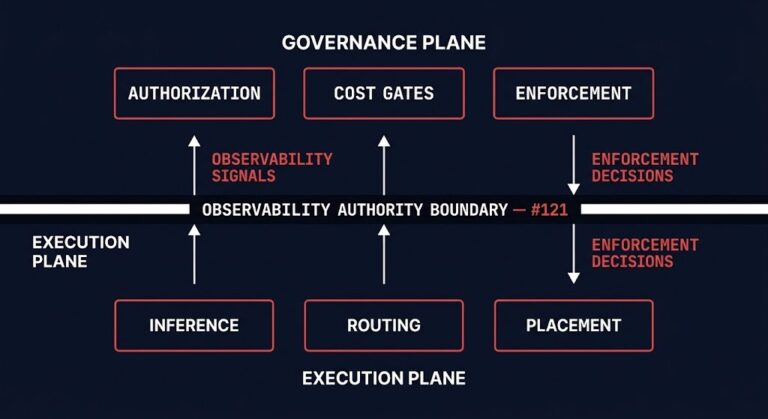
Most enterprises have observability. Almost none have built the governance architecture that observability is quietly becoming. The AI observability layer started as a debugging tool — latency traces, token counts, error rates. It is becoming something structurally different: the enforcement layer for cost gates, routing decisions, authorization decisions, and execution approval. That is not an…
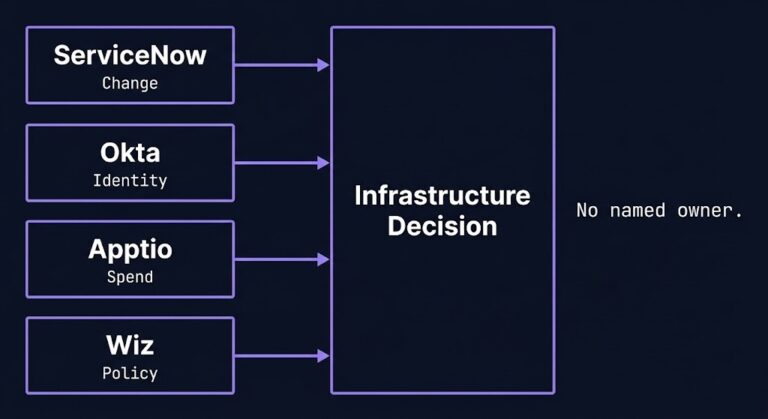
Most organizations do not have a SaaS governance problem. They have a SaaS authority problem — and the distinction matters because governance problems have vendors selling solutions to them. Authority problems do not surface until an audit, a contract renewal, or an incident reveals that a set of workflow tools your infrastructure team approved individually…
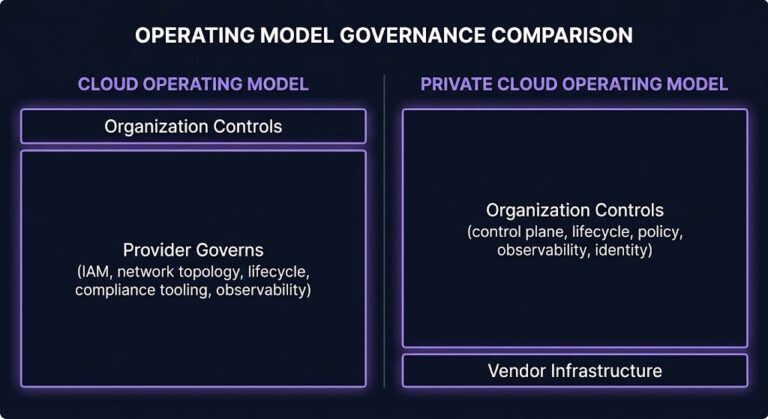
The private cloud narrative was declared dead by cloud-first doctrine for the better part of a decade. Cost comparisons, operational overhead, capital expenditure cycles — all of it pointed toward public cloud as the inevitable destination. The private cloud operating model was framed as legacy thinking, a failure to move forward, the choice of organizations…
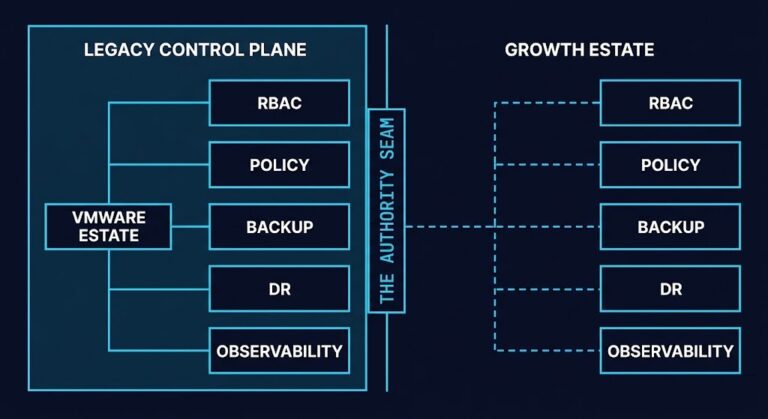
Somewhere around 2025, the enterprise conversation about VMware quietly rewrote its own objective. “Replace VMware” became “reduce VMware dependency” — not in any formal announcement, not in a strategy document, but in the actual architecture decisions organizations were making as migration programs ran longer than planned and the complexity of what they were replacing became…
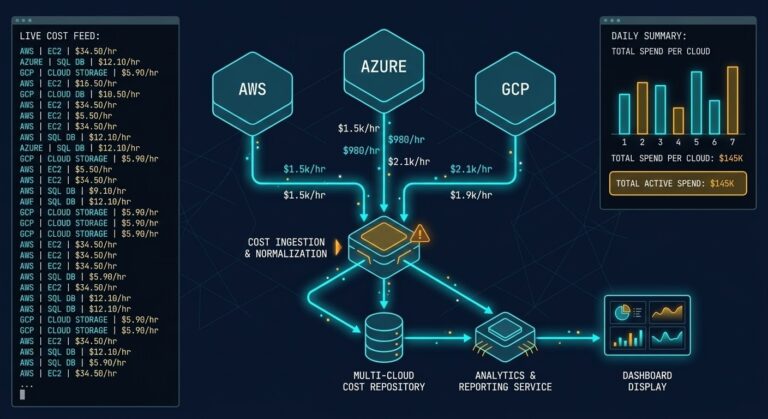
FinOps architecture used to mean dashboards. Cost reports. Monthly reviews where someone explained why the AWS bill was higher than forecast and promised to tag resources better next quarter. That model is over. The State of FinOps 2026 report marks the inflection point clearly: 78% of FinOps practices now report into the CTO or CIO…
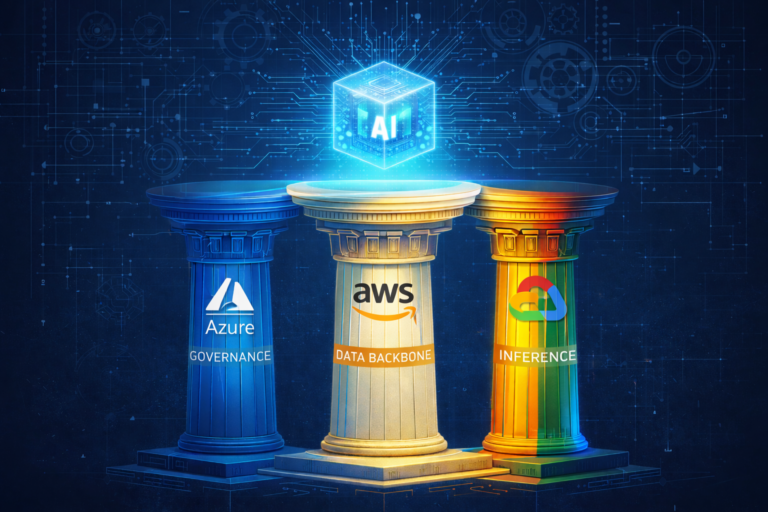
Multi-cloud AI architecture is not about spreading workloads evenly across providers — it is about placing each workload on the platform whose physics match the requirement. For the first decade of my career, I chased the same goal every architect did: one provider, one control plane, one security model. It looked clean on a slide…