
-
-
Your Monitoring Didn’t Miss the Incident. It Was Never Designed to See It.
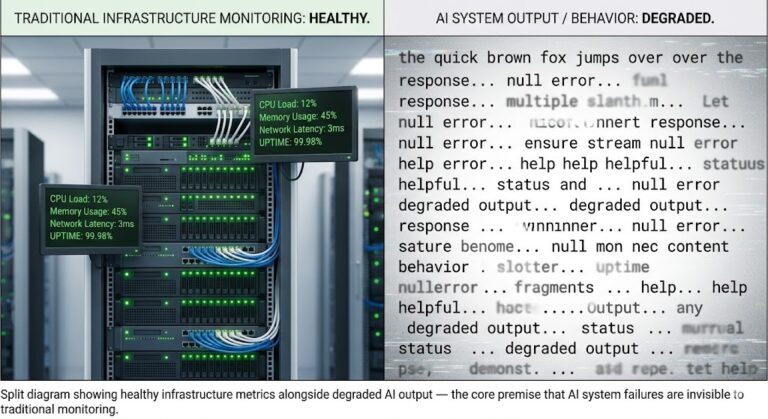
I’ve watched observability vs monitoring play out as a live incident more times than I can count. The dashboard was green. The on-call engineer was not paged. The monitoring system did exactly what it was designed to do — it watched for thresholds, waited for metrics to cross them, and stayed silent when they didn’t….
-
AI Didn’t Reduce Engineering Complexity. It Moved It
The pitch for AI in engineering was straightforward: automate the repetitive, accelerate the cognitive, and let engineers focus on higher-order problems. Less time writing boilerplate. Less time provisioning infrastructure. Faster feedback loops. Lower operational overhead. Some of that happened. But something else happened too — something nobody put in the pitch deck. The AI systems…
-
Inference Observability: Why You Don’t See the Cost Spike Until It’s Too Late
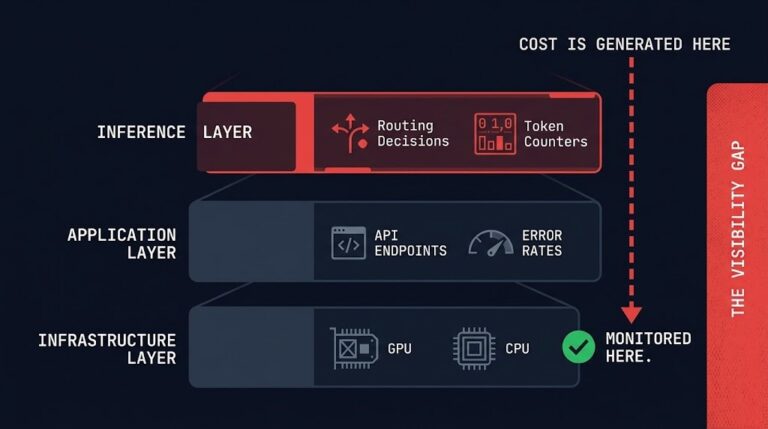
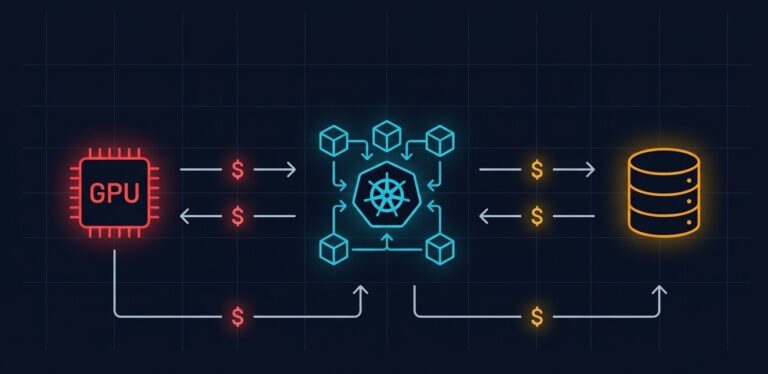
The bill arrives before the alert does. Because the system that creates the cost isn’t the system you’re monitoring. Inference observability isn’t a tooling problem — it’s a layer problem. Your APM stack tracks latency. Your infrastructure monitoring tracks GPU utilization. Neither one tracks the routing decision that sent a thousand requests to your most…
-
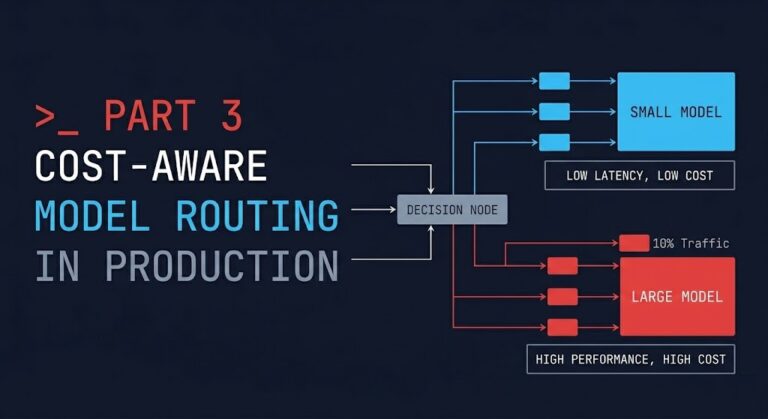
Cost-Aware Model Routing in Production: Why Every Request Shouldn’t Hit Your Best Model
Your system isn’t expensive because your models are expensive. It’s expensive because every request defaults to the most capable model you have. That’s not a cost problem. That’s a routing problem. And most systems don’t have a routing layer at all. Part 1 established why inference cost emerges from behavior, not provisioning. Part 2 explained…
-
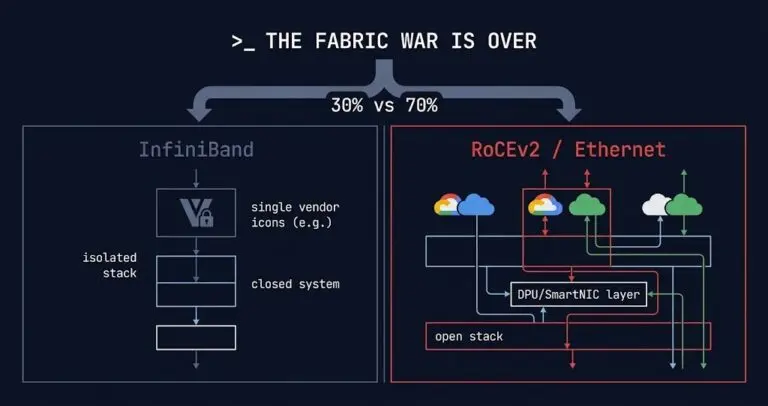
InfiniBand Is Losing the Fabric War. Here’s What That Changes for Your Architecture.
The InfiniBand vs RoCEv2 decision has been settled at the hyperscaler level — and the answer is Ethernet. Broadcom’s March 2026 earnings confirmed what most AI infrastructure architects had already suspected: roughly 70% of new AI infrastructure deployments are now choosing Ethernet-based fabrics over InfiniBand. That number is worth sitting with for a moment —…
-
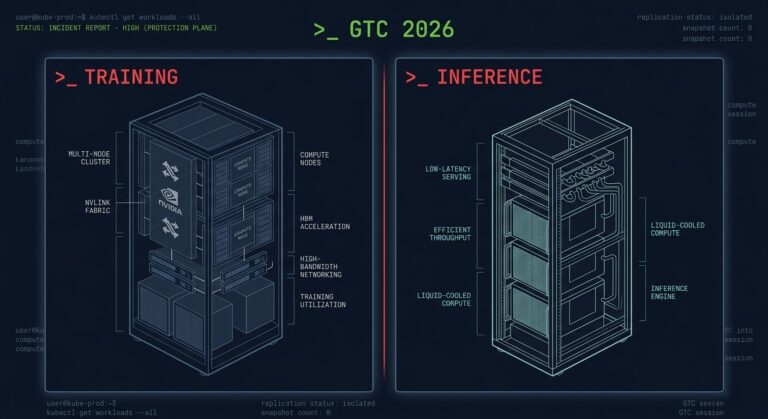
The Training/Inference Split Is Now Hardware — What GTC 2026 Actually Changed
The inference infrastructure decision most teams are ignoring isn’t the Vera Rubin GPU. It was not the $1 trillion demand forecast. It was not Jensen Huang calling NVIDIA “the inference king.” The announcement that matters is the Groq 3 LPX — a dedicated inference rack shipping alongside the GPU rack. For the first time, NVIDIA…
-
Autonomous Systems Don’t Fail. They Drift Until They Break.
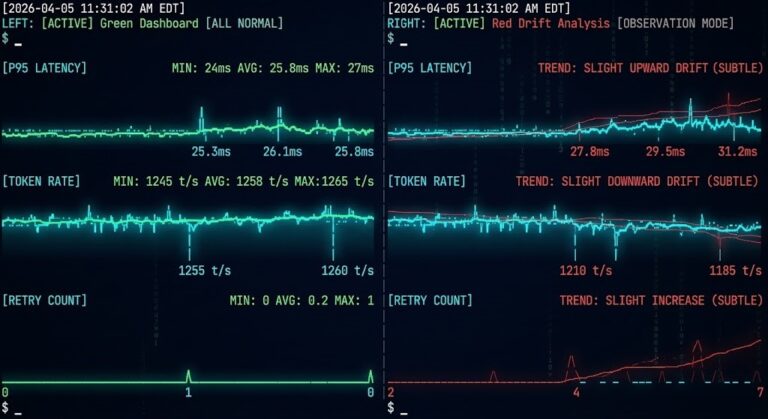
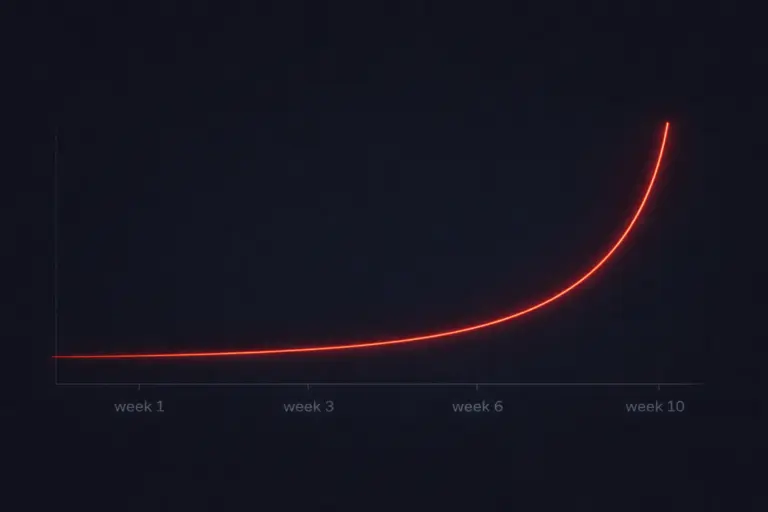
Autonomous systems drift before they fail. Software fails loudly. A service crashes. An API returns 500. A pod restarts. The alert fires. You respond. Autonomous systems don’t work that way. They degrade quietly. They drift. They accumulate small deviations — a few extra tokens here, one more model call there, a retry loop that fires…
-
AI Inference Cost Is the New Egress: The Layer Nobody Modeled
You modeled compute scaling. You modeled storage durability. You built egress budgets into your cloud architecture because you learned — the hard way, or from someone who did — that data movement is never free. You did not model AI inference cost. Neither did most of the industry. Inference just crossed 55% of total AI…
-
Cloud Cost Is Now an Architectural Constraint
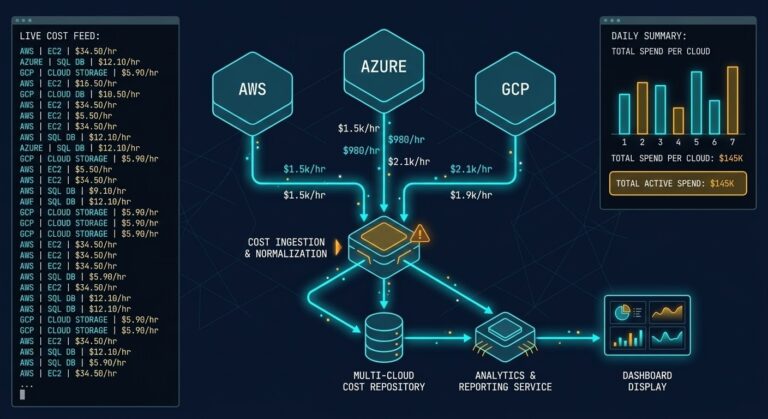
FinOps architecture used to mean dashboards. Cost reports. Monthly reviews where someone explained why the AWS bill was higher than forecast and promised to tag resources better next quarter. That model is over. The State of FinOps 2026 report marks the inflection point clearly: 78% of FinOps practices now report into the CTO or CIO…