-
-
Autoscaling Is an Authority System, Not a Capacity System
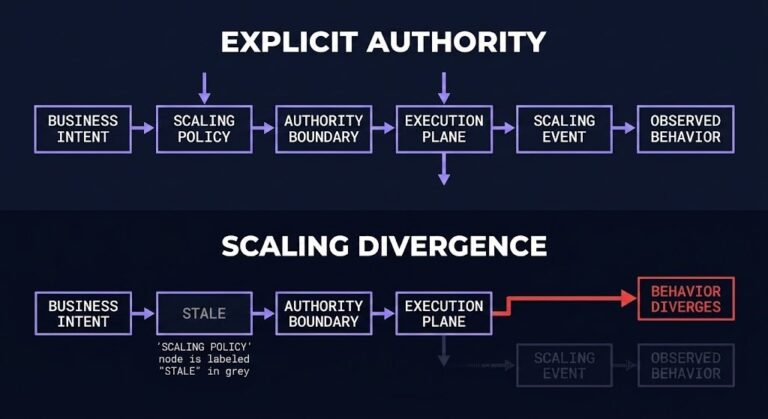
Autoscaling authority is the condition most cloud operations teams have never formally defined. Every organization running Kubernetes has autoscaling configured. Almost none has treated those configurations as governance artifacts. The Capacity Framing Is Wrong Autoscaling authority governs what your execution plane is permitted to do under changing load conditions — and that framing is the…
-
-
Configuration Drift Is the Symptom. Ownership Is the Problem.
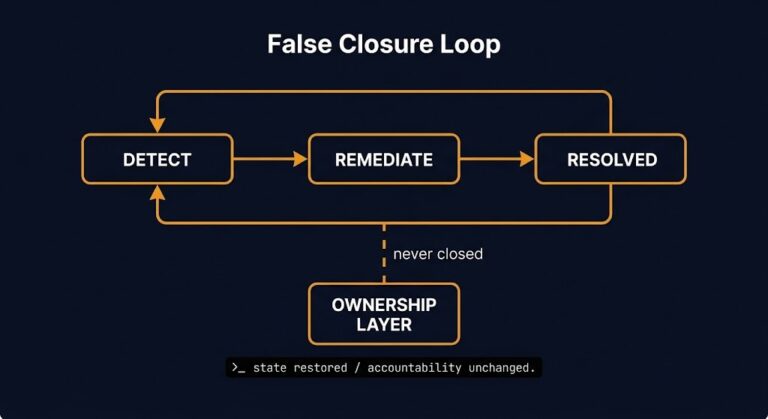
Configuration drift is treated as a visibility problem solved by tooling. It isn’t. Configuration drift ownership is the real breakdown — accountability over declared infrastructure state — and no detection pipeline closes that gap. The industry built a full tooling category around drift: scanners, policy-as-code engines, GitOps reconciliation loops, IaC state management. Engineers get alerted…
-
-
Your CI-CD Pipeline Is Your Real Infrastructure Control Plane
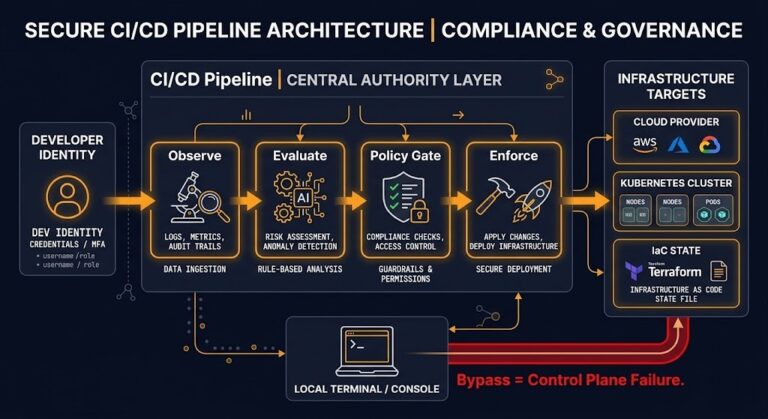
Terraform defines desired state. Kubernetes reconciles workload state. Cloud consoles expose state. None of those systems decides whether infrastructure state is allowed to change. The ci-cd control plane does — or more precisely, the CI-CD pipeline is the only system in most environments that can hold that authority. That distinction — between storing state and…
-
-
VPA vs HPA: Why Most Teams Choose the Wrong Autoscaler
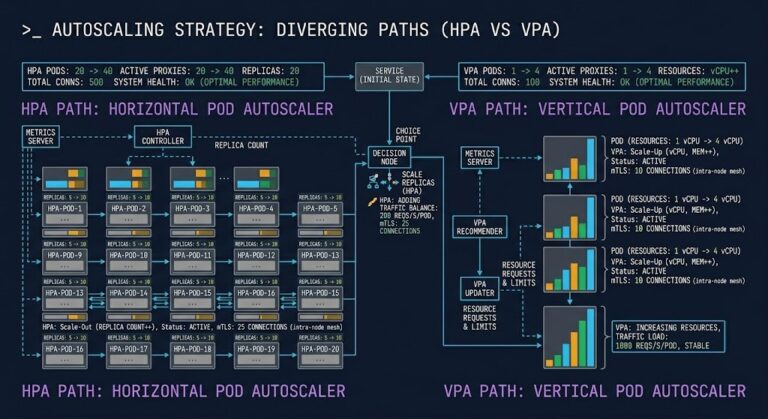
The VPA vs HPA decision is one of the most misunderstood choices in Kubernetes resource management. Most Kubernetes teams reach for HPA first. It’s visible, it’s familiar, and the CPU metric dashboard makes the decision feel obvious. When traffic spikes, pods scale out. When traffic drops, they scale back. The mental model is clean. The…
-
Kubernetes as the VMware Exit Ramp: How Platform Teams Are Reducing VMware Dependence
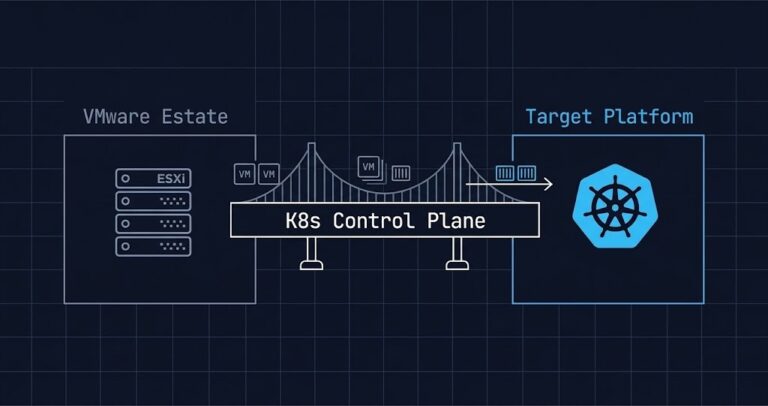
The Kubernetes VMware migration path is not what most platform teams expect. Thirty-three percent of enterprises evaluating VMware alternatives are selecting Kubernetes as their primary control plane for the transition. Not as the destination — as the mechanism. The distinction matters architecturally, and most of the coverage on this topic misses it entirely. Kubernetes does…
-
Cloud Cost Is Now an Architectural Constraint
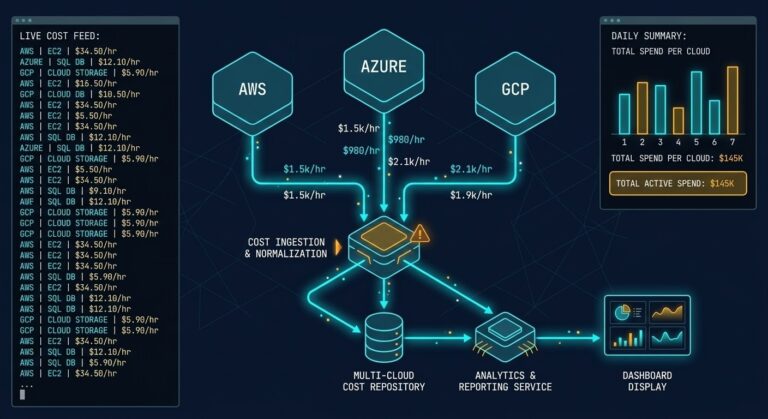
FinOps architecture used to mean dashboards. Cost reports. Monthly reviews where someone explained why the AWS bill was higher than forecast and promised to tag resources better next quarter. That model is over. The State of FinOps 2026 report marks the inflection point clearly: 78% of FinOps practices now report into the CTO or CIO…