

Your AI Workload RPO Was Met. The Restore Still Returns Wrong Answers.
A restore can meet its RPO, pass every health check, and still return wrong answers. For AI workloads, the recovery point has to be defined by version lineage, not a timestamp.
Disaster Recovery
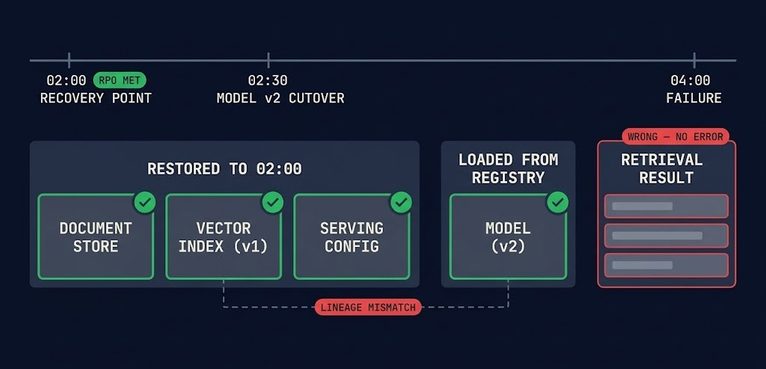
A restore can meet its RPO, pass every health check, and still return wrong answers. For AI workloads, the recovery point has to be defined by version lineage, not a timestamp.
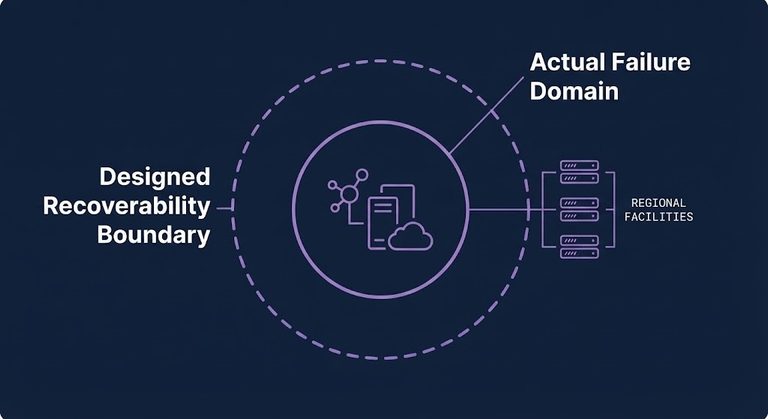
A recoverability boundary is not the same thing as an availability boundary, and AWS just proved it the expensive way. On September 15, 2026, AWS updated its Health Dashboard to confirm permanent, unrecoverable data loss across all three Availability Zones in its Bahrain region (me-south-1) and one Availability Zone in its UAE region (mec1-az2, part…
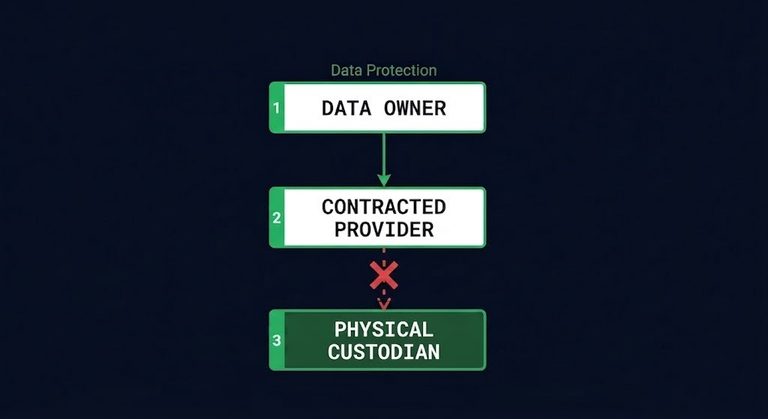
Owning your data has never guaranteed you can retrieve your data — and most organizations don’t discover they’d conflated the two until the company holding it disappears. That’s the situation Nine PBS is in right now. The St. Louis public television station has roughly 70 years of programming — about 50 terabytes of it —…
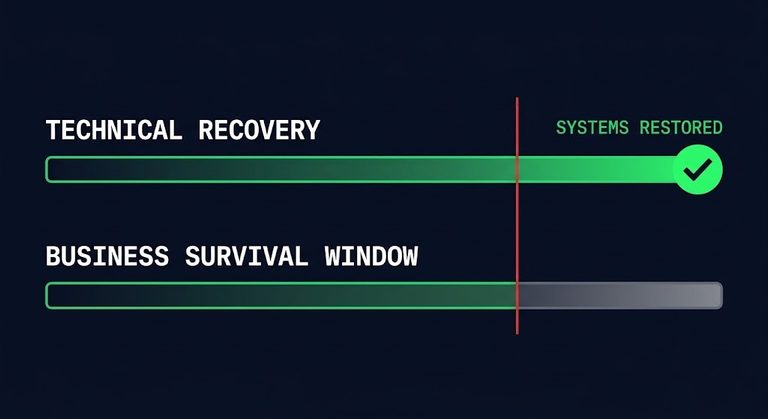
Every recovery plan assumes a business survival window wide enough to outlast the outage it’s designed for — most never test whether that assumption holds, because the number that would prove it isn’t one recovery planning tracks. On March 29, 2026, a cyberattack hit ZEGO Textilveredelungszentrum, a 37-year-old German textile-finishing firm in Aschaffenburg. Production stopped…
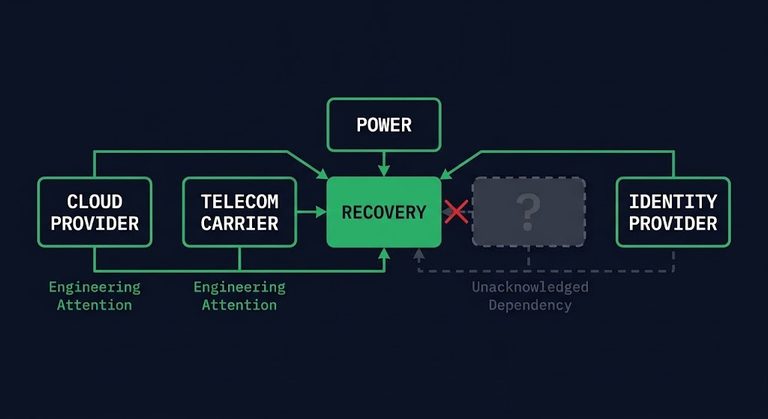
A ransom payment ban doesn’t eliminate the ransomware business model by itself — it eliminates an option most recovery plans quietly assumed would still be there once everything else had already failed. The UK government confirmed in July 2025 that it will introduce a targeted ban on ransom payments by public sector bodies and critical…
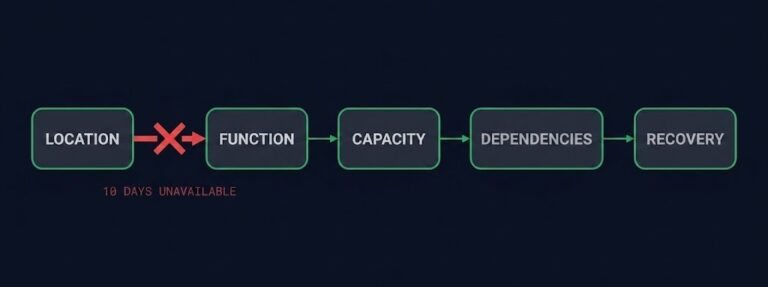
Geographic redundancy is the architectural claim most mission-critical infrastructure makes and the one most rarely tested — and on August 1, 2026, the Old Trails Fire came within a third of a mile of Mann-Grandstaff VA Medical Center in Spokane, Washington and tested it. The Old Trails Fire — one of three blazes collectively known…
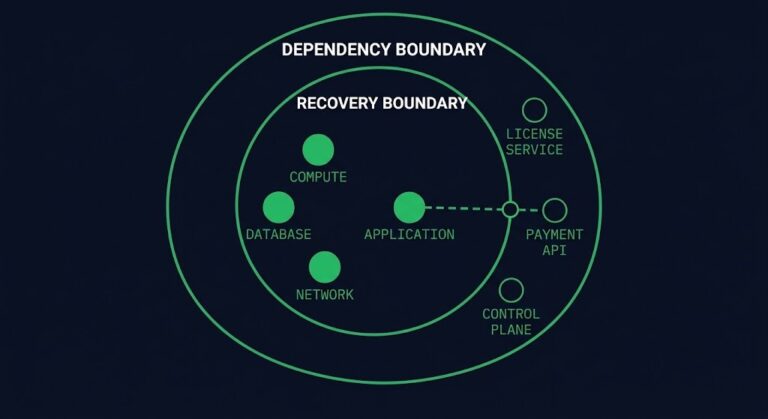
Every disaster recovery program is built on the same unexamined assumption: that restoring the system restores the recovery boundary the organization actually needs back in service. That assumption held for twenty years. It doesn’t hold anymore, and most recovery programs haven’t noticed. The Assumption Ask any infrastructure team what “recovery” means and you’ll get some…
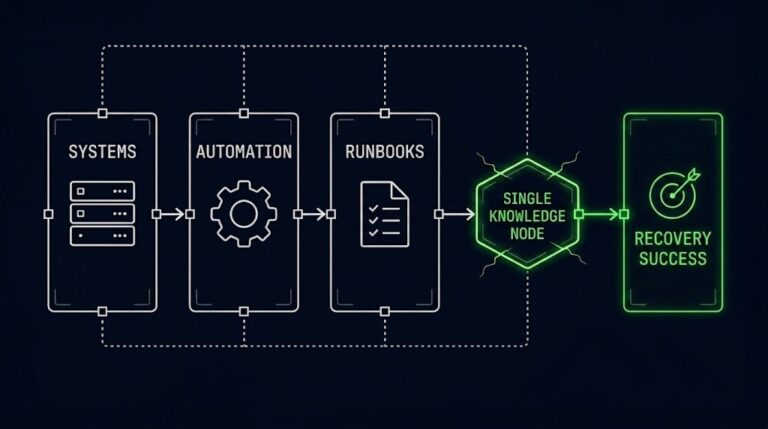
Recovery bus factor is the gap between a recovery plan that has been tested, documented, and signed off — and a recovery plan that can actually be executed when the one or two people who know how to run it aren’t in the room. The recovery program had passed everything that mattered on paper: RTO…
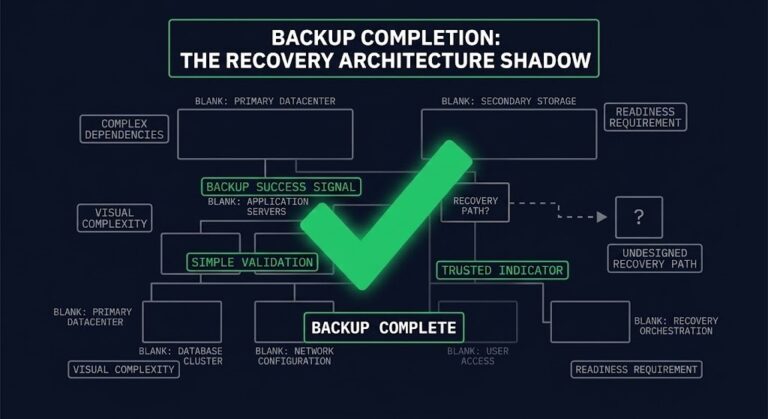
The recovery design boundary is the line between organizations that know their backups completed and organizations that know their systems will actually come back online — and a green dashboard this morning doesn’t tell you which side of it you’re standing on. The Backup Completion Fallacy Every backup platform on the market is extremely good…
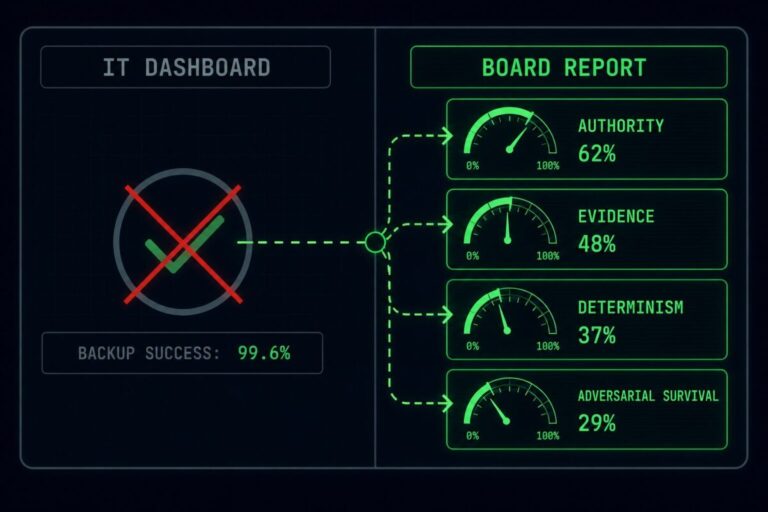
Boards don’t actually want to know whether last night’s backup job succeeded. They want to know whether the organization would survive its next major disruption, and the recovery readiness metric has quietly become the proxy boards now use to answer that question without waiting for an actual outage to test it. That shift didn’t come…