-
-
Your Ransomware Recovery Plan Has a Recoverability Gap
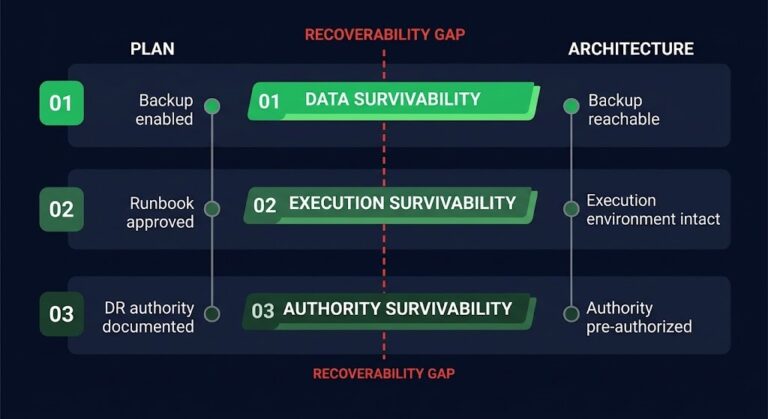
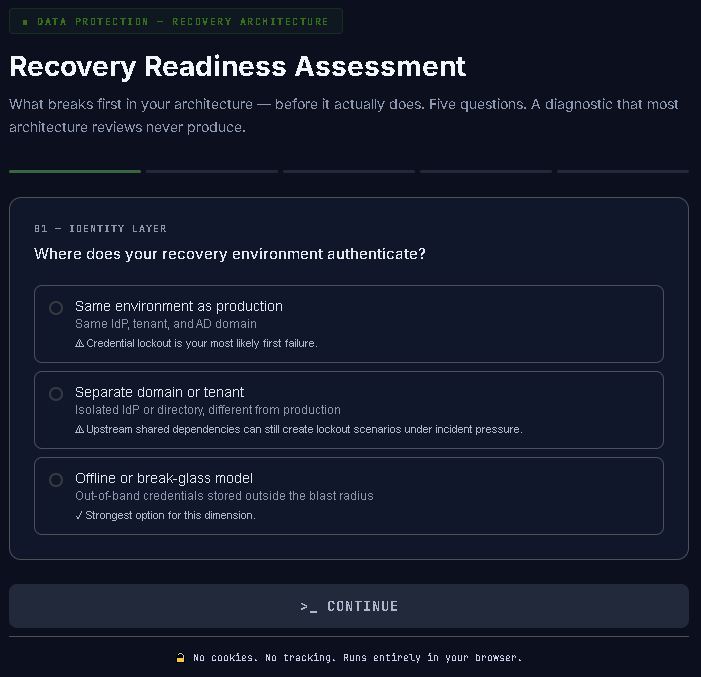
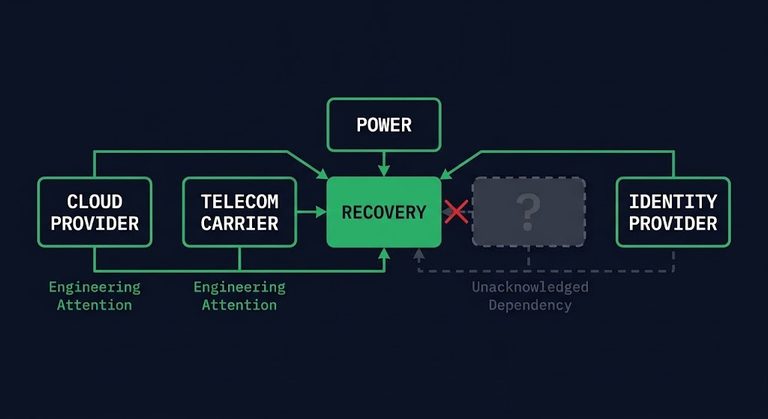
The recoverability gap is the structural distance between what your recovery plan assumes and what your infrastructure can actually deliver under failure conditions. Most organizations don’t discover it during planning. They discover it on day three of an incident. The ransomware tabletop passed. The backup dashboard was green. The recovery runbook was approved. Day three…
-
The Connected Air Gap: Why Most Backup Isolation Fails
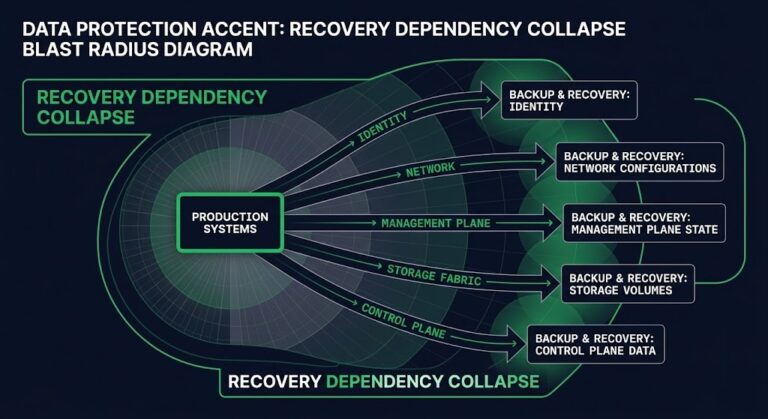
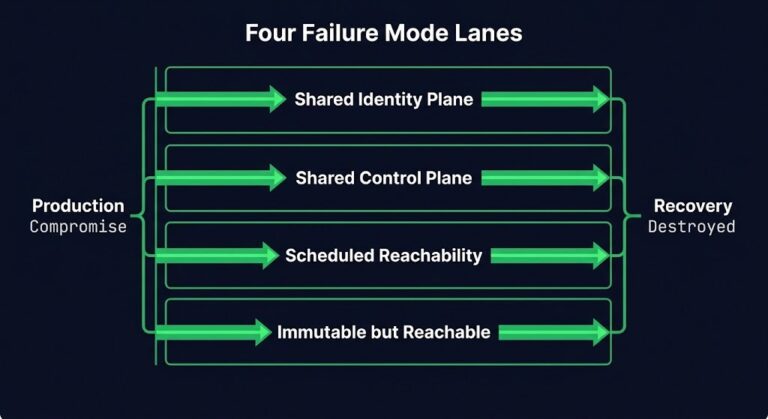
Most backup architectures marketed as air-gapped are not isolated. They are reachable systems with better storage controls. Shared identity, shared control plane, scheduled connectivity, and immutable-but-addressable storage all produce the same outcome: production compromise can still destroy recovery without touching backup data. Data protection and blast-radius isolation are different architectural properties. Data protection answers whether…
-
Incident Recovery Process: Why the Incident Isn’t Over After Restore
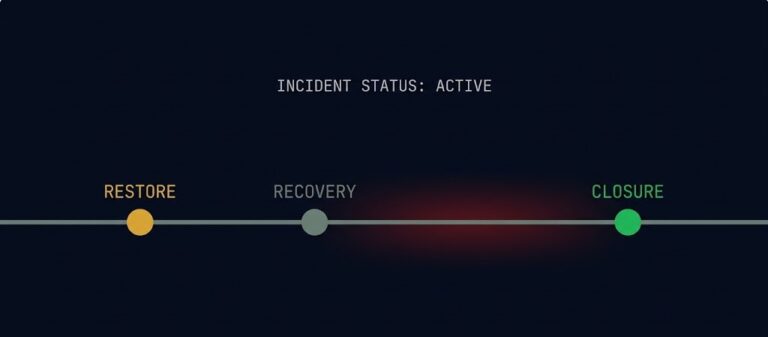
THE RECOVERY ENGINEERING SERIES PART 01 The Retry Storm Is a Self-Inflicted DDoS LIVE PART 02 Incident Recovery Process: Why the Incident Isn’t Over After Restore YOU ARE HERE PART 03 Recovery Ends the Outage. It Doesn’t End the Incident. LIVE PART 04 The Degradation Ladder: How Systems Fail Before They Fail LIVE The restore…
-
The Restore Path Is the Most Neglected Part of Backup Design
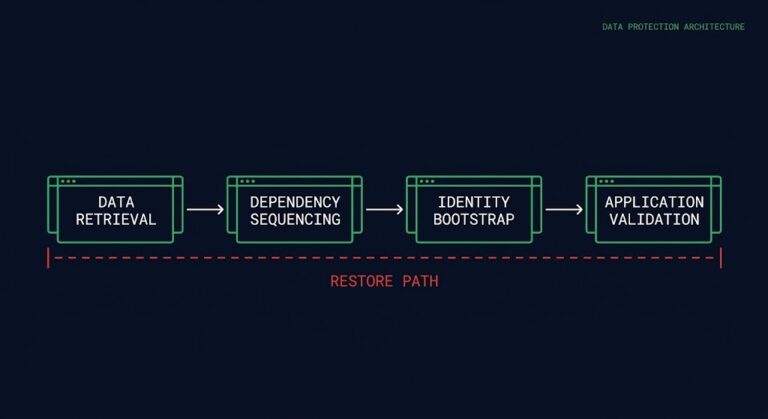
The restore path is where backup architectures fail — not the backup job, not the retention policy, not the storage tier. The path from a completed backup to a verified, production-usable state is the part of data protection design that most teams never model, never test, and discover only under incident conditions. This is not…
-
-
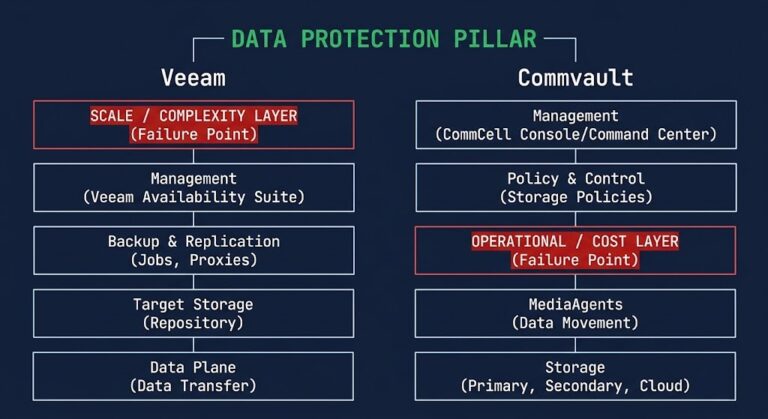
Veeam vs Commvault: How Enterprise Backup Platforms Fail Differently
Veeam vs Commvault is not a feature comparison. I’ve seen both of these platforms fail in production — not in the way vendor docs describe, but in the way systems actually break at scale, under pressure, at 2 AM when recovery is the only thing that matters. Veeam and Commvault don’t fail the same way….
-
Rubrik vs Cohesity: Which Backup Architecture Actually Scales?
Most Rubrik vs Cohesity comparisons are useless. Not because the features are wrong — but because neither Rubrik nor Cohesity fails in a feature checklist. They fail when your environment scales in ways the architecture didn’t expect. The question isn’t which platform has better deduplication ratios or a cleaner UI. The question is which architectural…
-
Rubrik vs Veeam — Appliance Immutability vs Infrastructure Control
Most Rubrik vs Veeam comparisons start with the wrong question. Not which platform has better deduplication ratios or a cleaner dashboard. Not which vendor has a stronger roadmap or a bigger channel. Those comparisons exist everywhere and they don’t help you make the decision. The question that matters is architectural: where does operational authority live…
-
Backups Are Compromised First: Inside Cohesity FortKnox and the Rise of Cyber Vaulting
Backups: The First Thing Hackers Go After For years, cyber vault backup strategy felt like an engineering debate. We obsessed over dedupe ratios, throughput, and how fast we could recover—all built on one big assumption: when production failed, backups would still be safe. Ransomware shattered that idea. Hackers don’t treat backups as an afterthought anymore….