

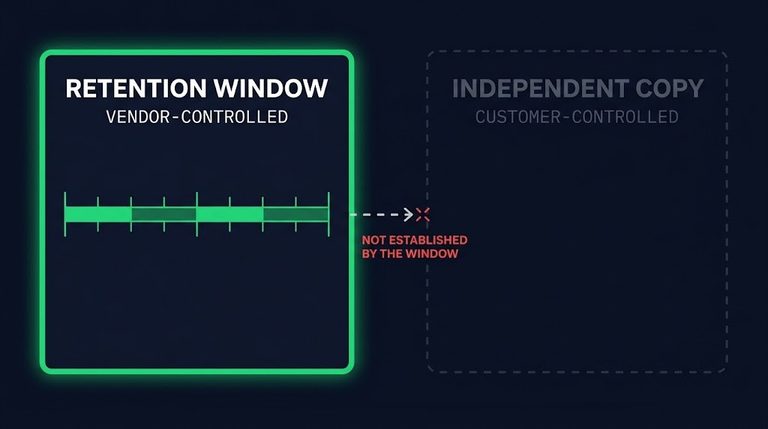
The Vendor Retention Window Wasn’t a Recovery Control
A vendor retention window describes what the custodian intends to do. It does not establish that you hold a copy the custodian cannot touch.
READ MORE →ENGINEERING NOTES FROM THE COMPLEXITY GAP.
The journey from legacy infrastructure to modern cloud-native platforms is often obstructed by marketing-driven abstraction and tool-centric noise. Most technical journals focus on the "Day-1" installation — the easy path. Rack2Cloud documents the Day-2 production reality. We analyze how systems actually behave under load, at the boundaries of integration, and within the constraints of sovereign requirements.
Our field notes serve as a deterministic guide for the architect navigating the complexity gap. We prioritize the physics of data and the logic of high availability over vendor checklists.
"In production, complexity is the default state; architecture is the only defense."
A vendor retention window describes what the custodian intends to do. It does not establish that you hold a copy the custodian cannot touch.
READ MORE →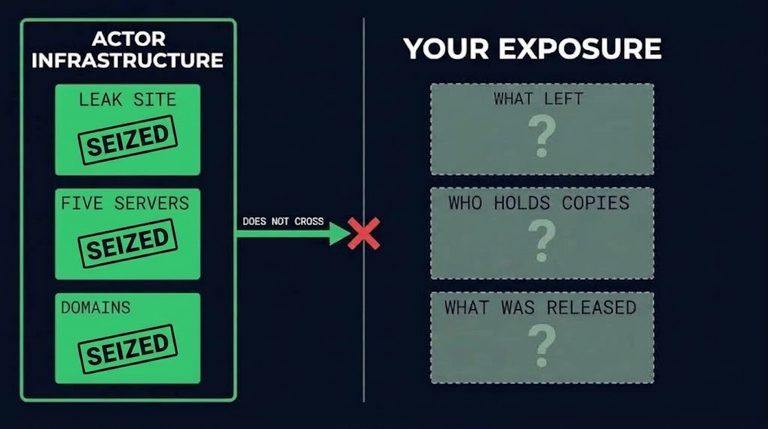
A ransomware takedown changes what an attacker can do next; it does not tell a victim what was taken, who holds copies, or whether…
READ MORE →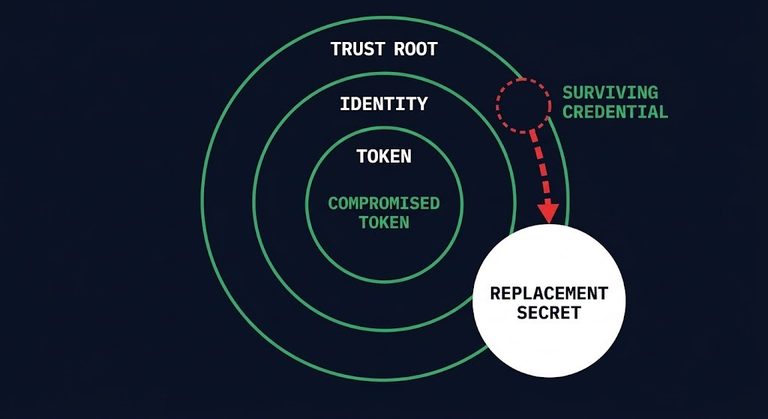
Rotation issues new secrets. Revocation removes the authority of everything that could have used the old ones. Whether you can do the second depends…
READ MORE →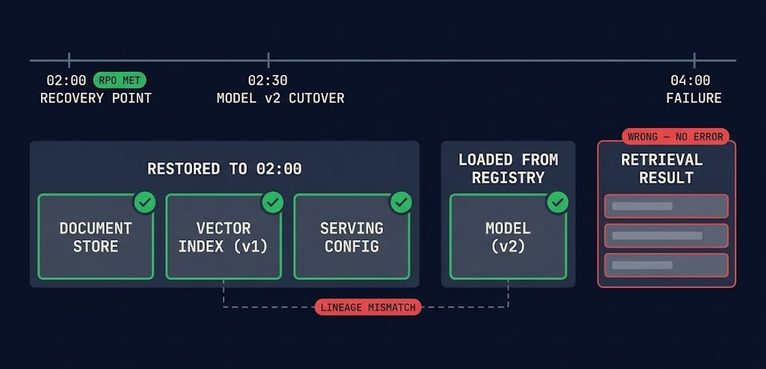
A restore can meet its RPO, pass every health check, and still return wrong answers. For AI workloads, the recovery point has to be…
READ MORE →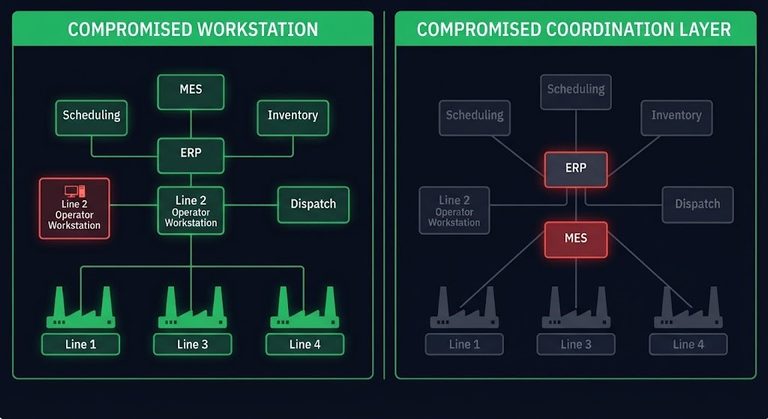
A ransomware production shutdown doesn’t require touching a single machine on the plant floor. When ransomware hit Coca-Cola’s Fairlife operations, U.S. production was temporarily…
READ MORE →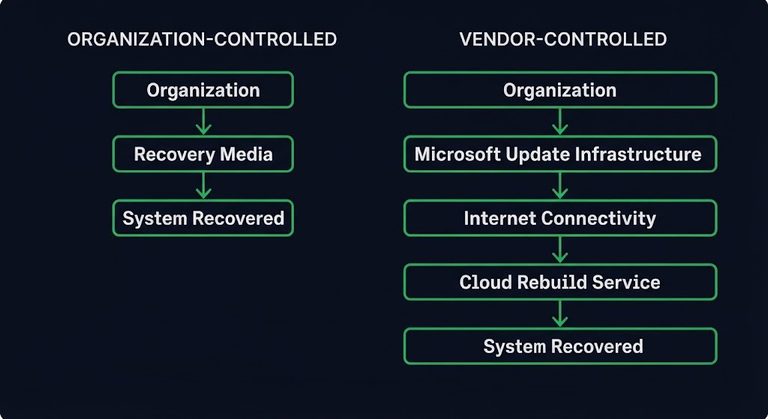
Cloud-based recovery is becoming the default way Windows 11 recovers a machine that won’t boot, and almost nobody signed off on the dependency that…
READ MORE →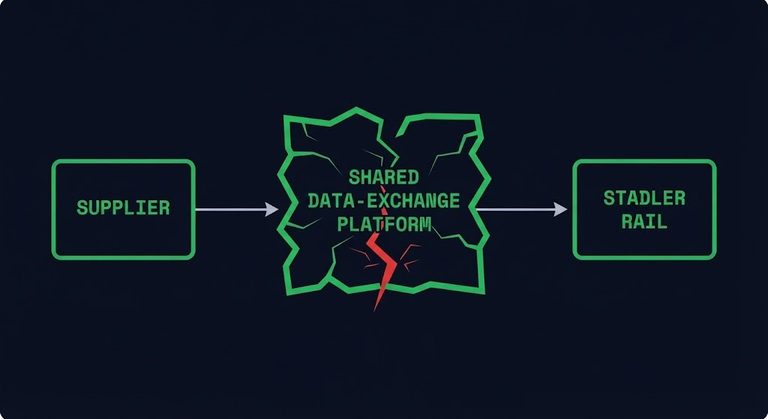
Consequence exposure — bearing an incident’s operational and reputational fallout independent of whether your own systems or data were involved — doesn’t require a…
READ MORE →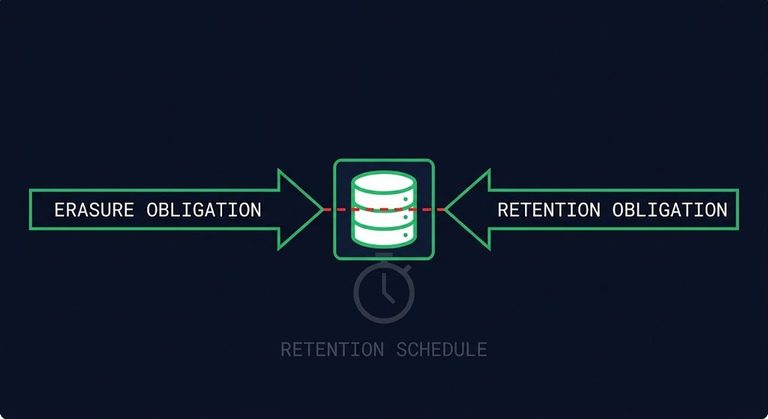
Retention conflict architecture is what happens when a backup platform designed to execute a single retention schedule becomes the enforcement point for legal obligations…
READ MORE →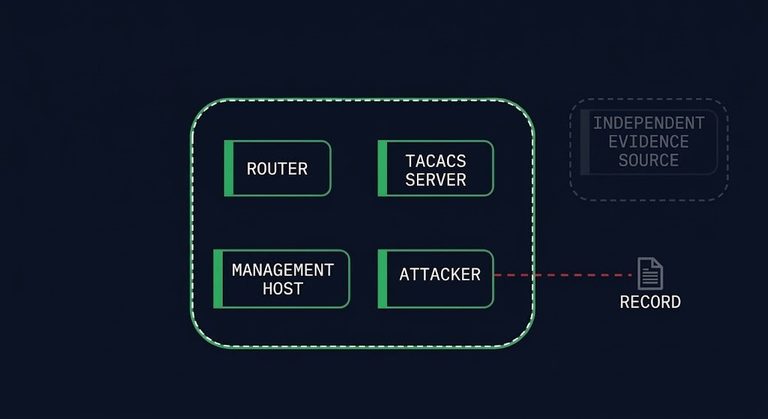
The evidence layer is not a byproduct of your infrastructure — it is infrastructure, and on August 30, Sygnia documented what happens when the…
READ MORE →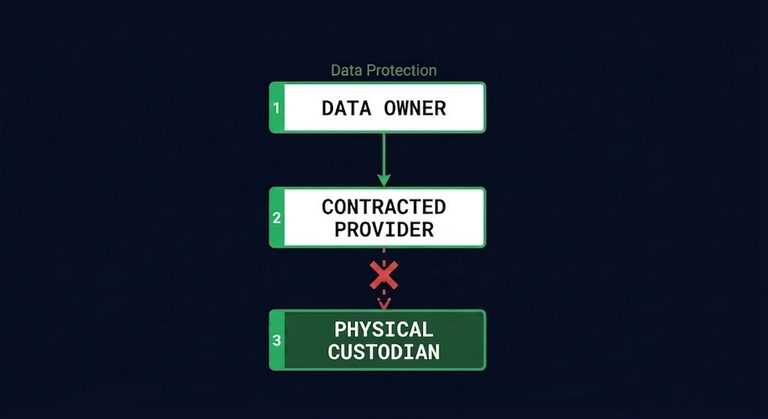
Owning your data has never guaranteed you can retrieve your data — and most organizations don’t discover they’d conflated the two until the company…
READ MORE →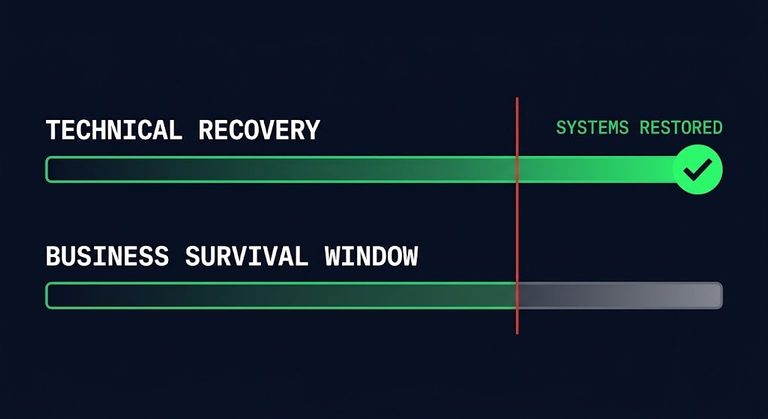
Every recovery plan assumes a business survival window wide enough to outlast the outage it’s designed for — most never test whether that assumption…
READ MORE →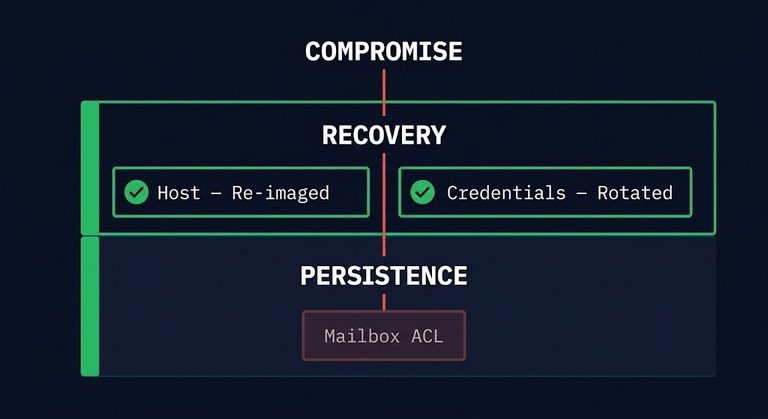
Persistent access is one of the few compromise patterns that can survive a fully executed recovery. In August, researchers disclosed that attackers exploiting Microsoft…
READ MORE →