
-
-
The Cloud Bill Is Your Real Org Chart
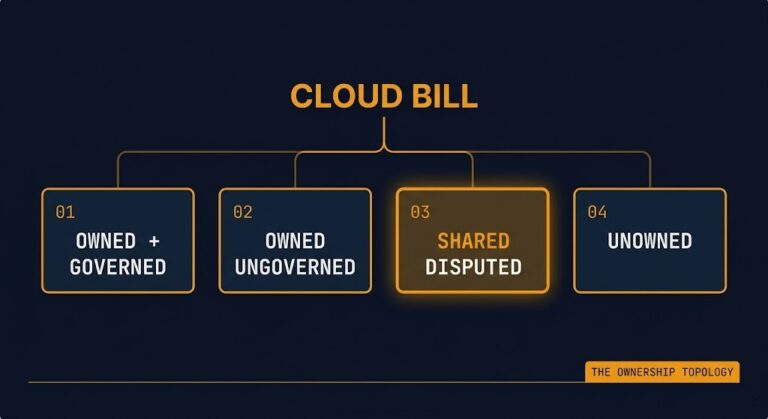
The meeting starts the same way every quarter. Someone pulls up the cloud bill. The number is higher than last quarter. Six teams are in the room, and somewhere in the line items — usually buried between data transfer charges and a cluster of snapshot storage entries — there is a resource nobody can explain….
-
How to Read a Cloud Bill Like an Architect
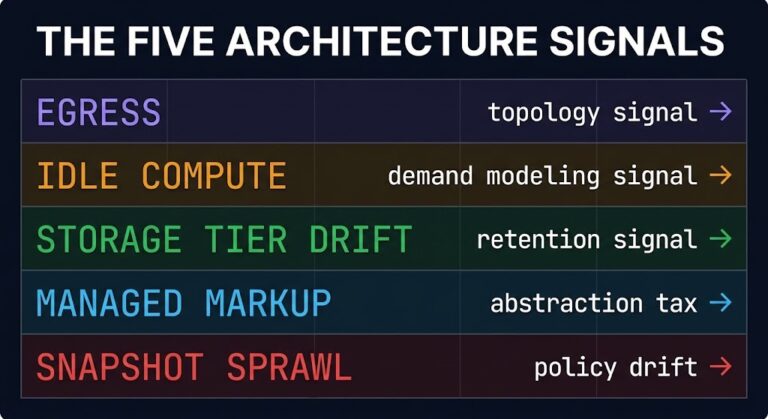
Cloud bill analysis is one of the most underused diagnostic tools in infrastructure architecture. Most engineers avoid it because it looks like finance. Most architects cannot afford to — because buried in the noise are five recurring signals that expose design decisions, not usage accidents. Thousands of rows. Hundreds of services. Endless SKU fragments. Most…
-
Google Just Moved the Control Plane Boundary
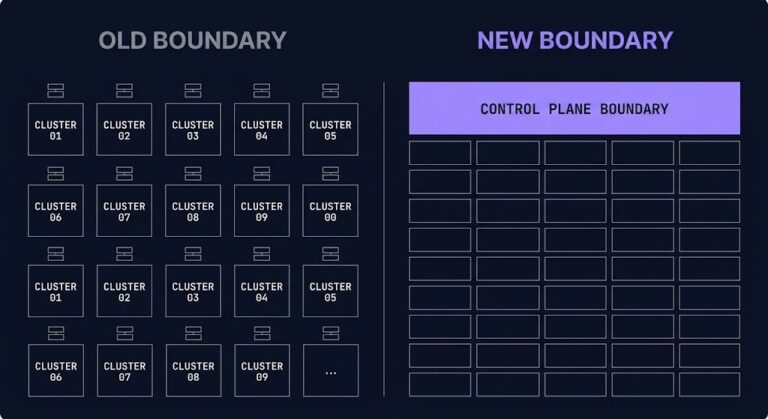
The control plane boundary just moved. Most platform architectures were not built for that assumption — and most teams have not noticed yet. For a decade, the Kubernetes scaling playbook had one move: add another cluster. Need more capacity? Add a cluster. Need workload isolation? Add a cluster. Need regional separation? Add a cluster. Need…
-
Cost Visibility Is Not Cost Control
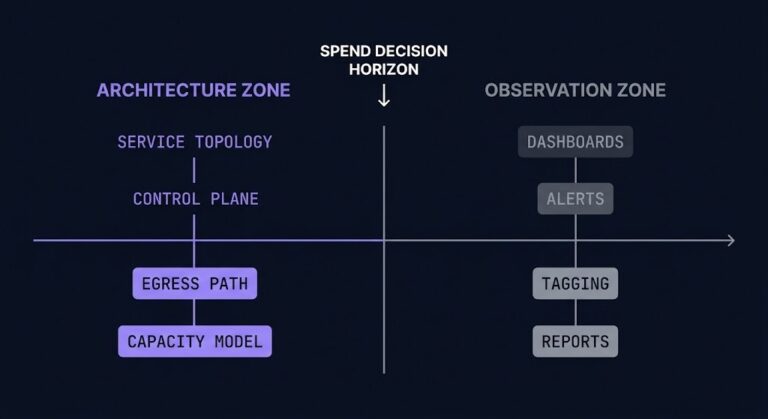
Cost visibility tells you what your architecture costs. Cost control determines whether that architecture should have existed in the first place. These are not the same discipline. Most organizations treat them as if they are — and the FinOps data proves they have been doing so for years without fixing the underlying problem. The State…
-
Azure VMware Solution vs Native Azure: Architecture Trade-offs, Costs, and Exit Risk
Azure VMware Solution looks like the safe path out of a Broadcom licensing conversation. Your team already knows vSphere. Your tooling already maps to VMware constructs. AVS lets you move workloads to Azure without retraining anyone or rearchitecting anything. On paper, the risk profile looks low. In practice, you’re not choosing where to run workloads….
-
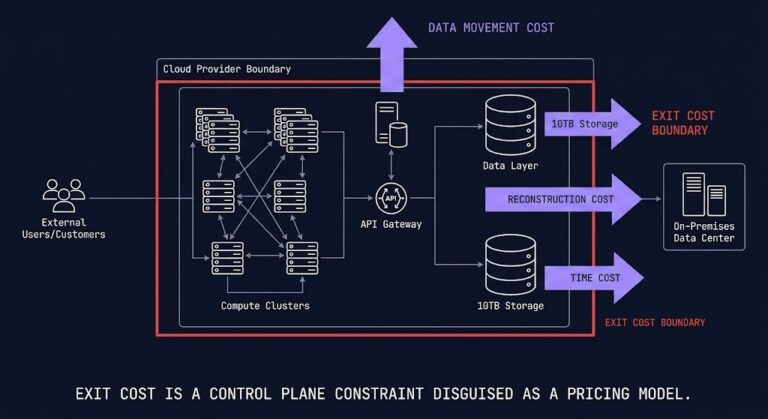
Exit Cost as a First-Class Metric: The Architecture Constraint Nobody Models
Most architectures assume mobility. Multi-cloud, failover, workload portability — these are modeled as design goals, written into strategy documents, and presented to leadership as evidence of vendor independence. Then the bill arrives. The ability to move a system is not determined at migration time. It is determined by the cost of moving it. If you…
-
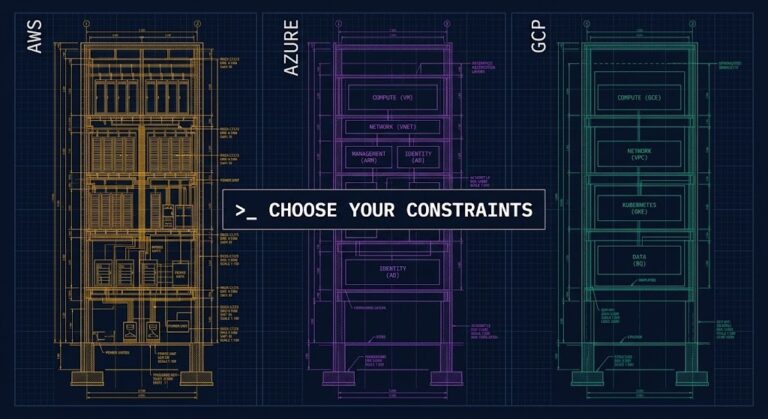
AWS vs Azure vs GCP: The Decision Framework Most Teams Skip
A cloud provider decision framework should answer one question: not which cloud is best, but which set of tradeoffs your organization can actually absorb. Most teams never ask it. They choose based on pricing sheets, discount conversations, and whoever gave the best demo — then spend the next three years engineering around the decision they…
-
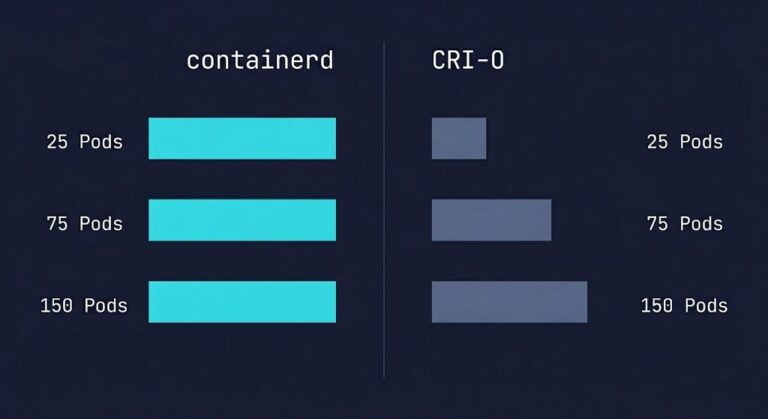
containerd vs CRI-O: Memory Overhead at Scale (Real Node Density Limits)
When evaluating containerd vs CRI-O, the decision rarely comes down to features — it comes down to what happens at node density limits. At low pod counts, every container runtime looks efficient. At scale, memory overhead becomes the limit you didn’t plan for. This isn’t a benchmark. It’s about how many pods you actually fit…
-
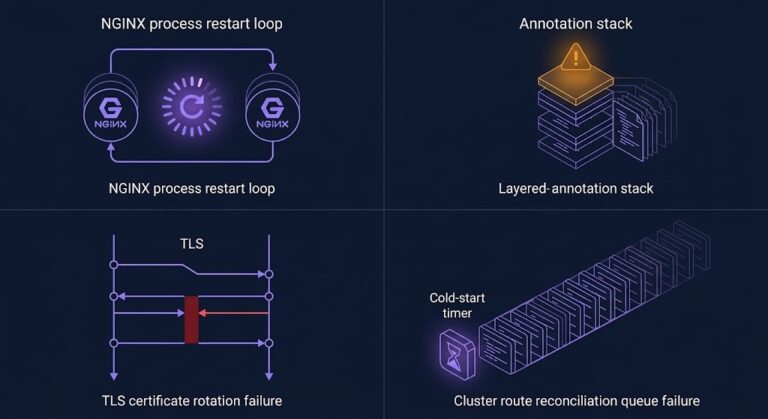
Gateway API Is the Direction. Your Controller Choice Is the Risk.
>_ Kubernetes Ingress Architecture Series >_ Part 0 The Decision Layer: Four Paths, Four Failure Modes How to evaluate the ingress-nginx retirement before picking a direction ▶ Part 1 — You Are Here Gateway API Is the Direction. Your Controller Choice Is the Risk. The architectural shift and what annotation sprawl costs over time >_…