

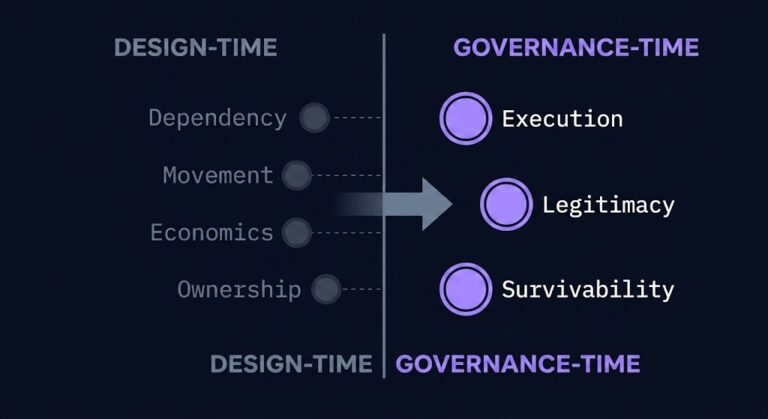
Cloud Governance Is Replacing Cloud Architecture
Cloud governance is no longer the layer that gets bolted on after the architecture diagram is approved — it has become the constraint the…
READ MORE →
ENGINEERING NOTES FROM THE COMPLEXITY GAP.
The journey from legacy infrastructure to modern cloud-native platforms is often obstructed by marketing-driven abstraction and tool-centric noise. Most technical journals focus on the "Day-1" installation — the easy path. Rack2Cloud documents the Day-2 production reality. We analyze how systems actually behave under load, at the boundaries of integration, and within the constraints of sovereign requirements.
Our field notes serve as a deterministic guide for the architect navigating the complexity gap. We prioritize the physics of data and the logic of high availability over vendor checklists.
"In production, complexity is the default state; architecture is the only defense."
Cloud governance is no longer the layer that gets bolted on after the architecture diagram is approved — it has become the constraint the…
READ MORE →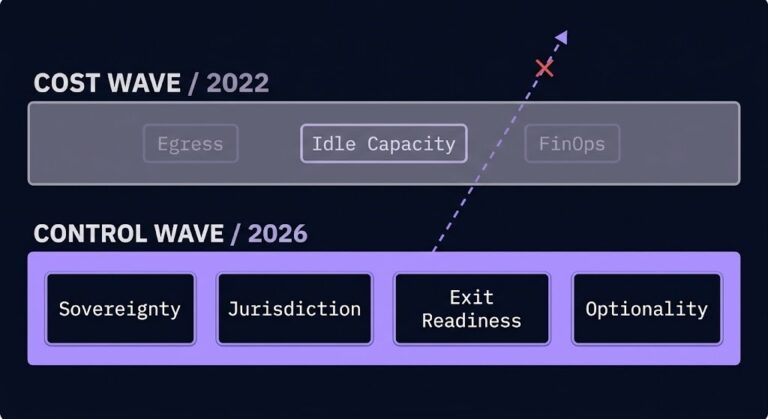
Every cloud repatriation strategy conversation happening in enterprise architecture right now sounds like it did in 2022 — until you listen closely to what’s…
READ MORE →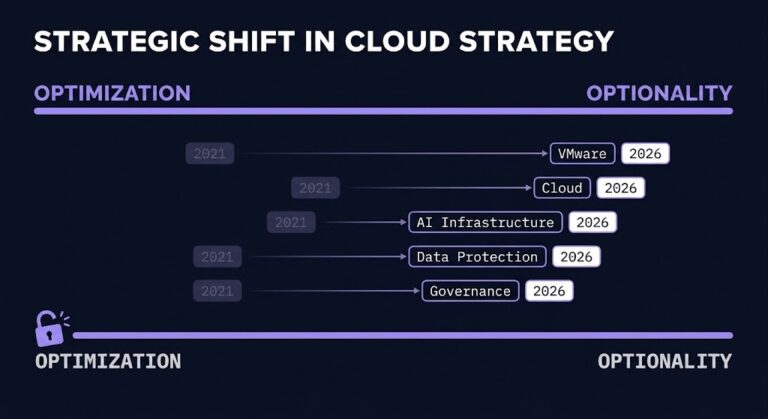
For twenty years, infrastructure architecture was rewarded for optimization — and the industry is only now starting to notice that architectural optionality has quietly…
READ MORE →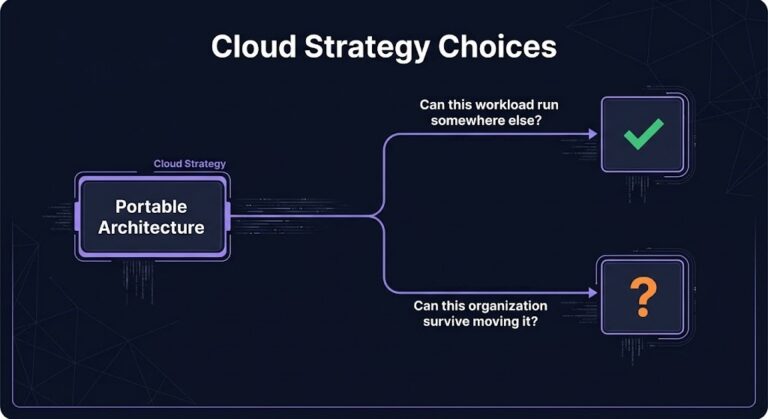
Cloud exit validation is not the same claim as portability, and enterprises keep discovering the difference at the worst possible time — mid-exit, mid-incident,…
READ MORE →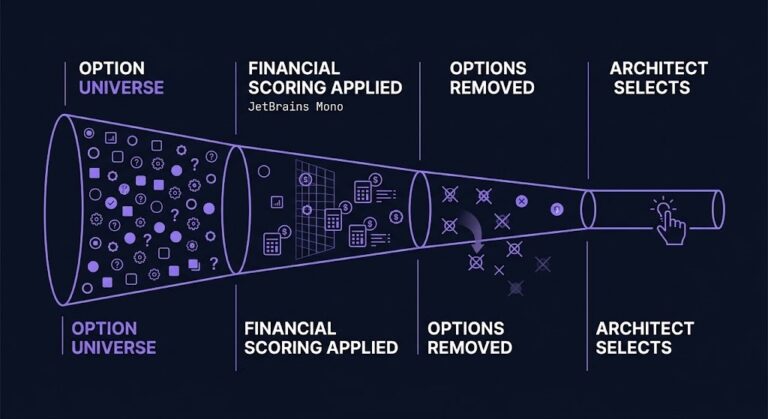
Cloud architects have already accepted that cost belongs inside architecture decisions. The next evolution of architecting for value is not simply measuring financial impact…
READ MORE →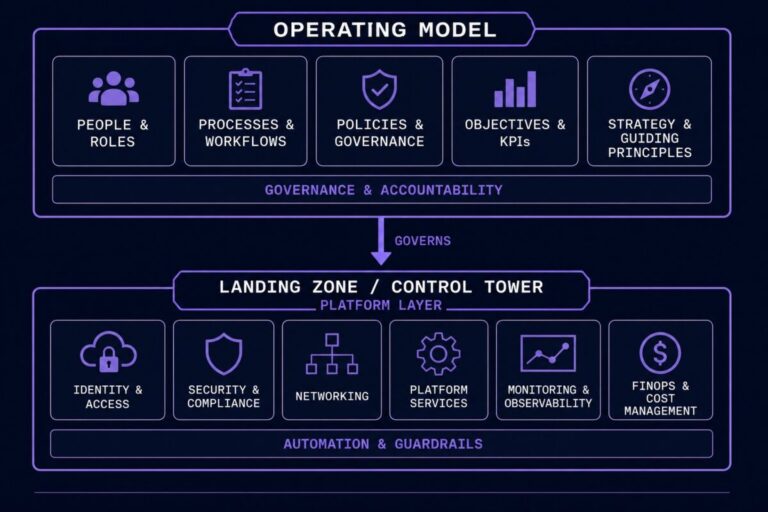
Operating model gaps are the reason two organizations can deploy the identical Azure Landing Zone or AWS Control Tower reference architecture and end up…
READ MORE →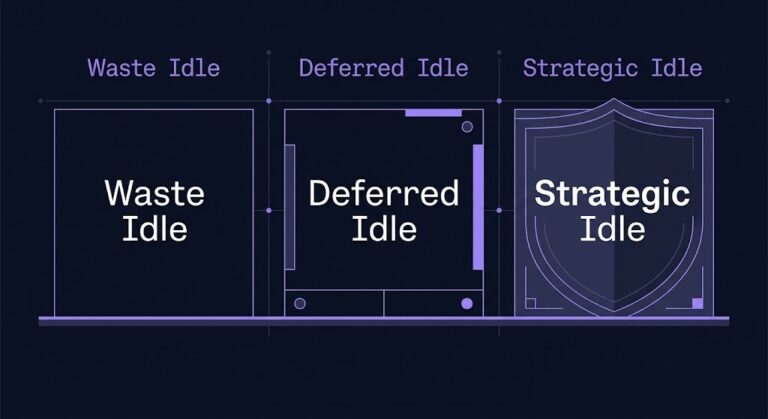
Idle capacity shows up on every utilization dashboard the same way: as a number that should be lower. Most infrastructure cost reviews ask why…
READ MORE →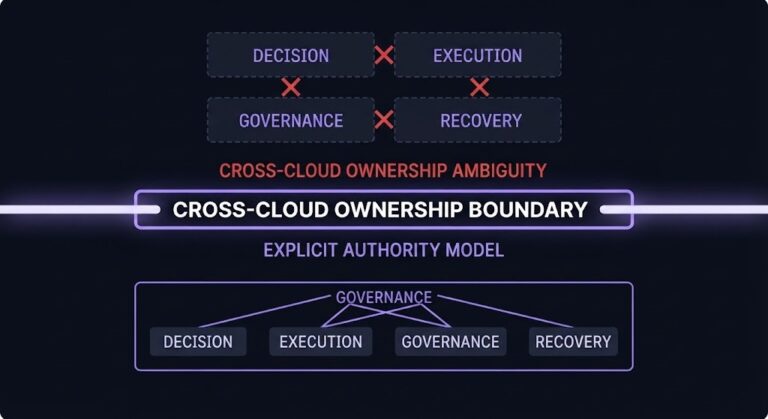
The multi-cloud ownership boundary is where most multi-cloud architectures actually break — not at the networking layer, not at the observability layer, but at…
READ MORE →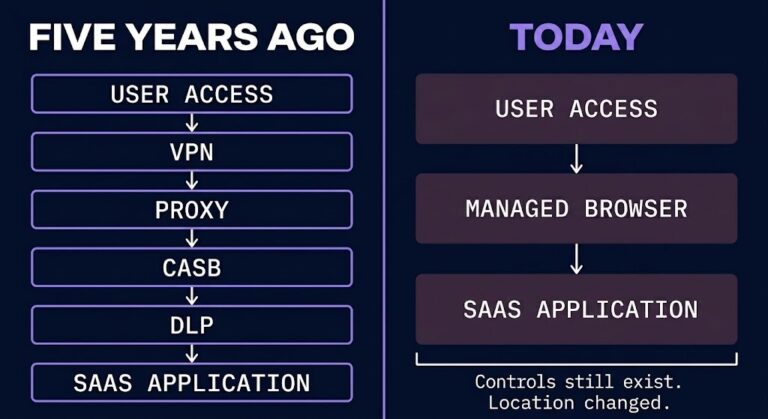
Enterprise browser infrastructure has been accumulating architectural responsibility for years without anyone formally assigning it. The cloud strategy question most organizations haven’t asked is…
READ MORE →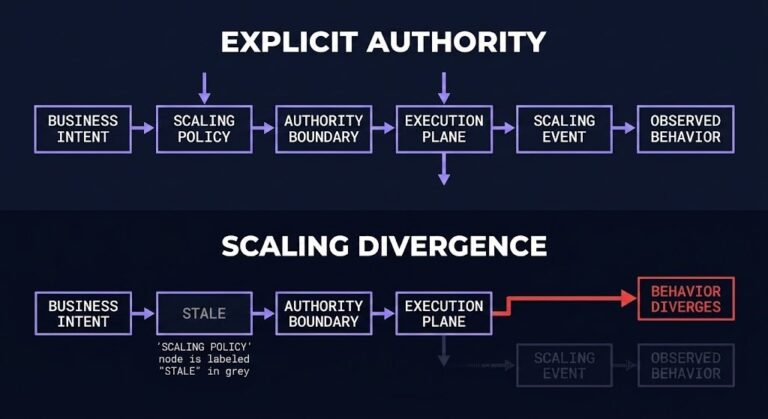
Autoscaling authority is the condition most cloud operations teams have never formally defined. Every organization running Kubernetes has autoscaling configured. Almost none has treated…
READ MORE →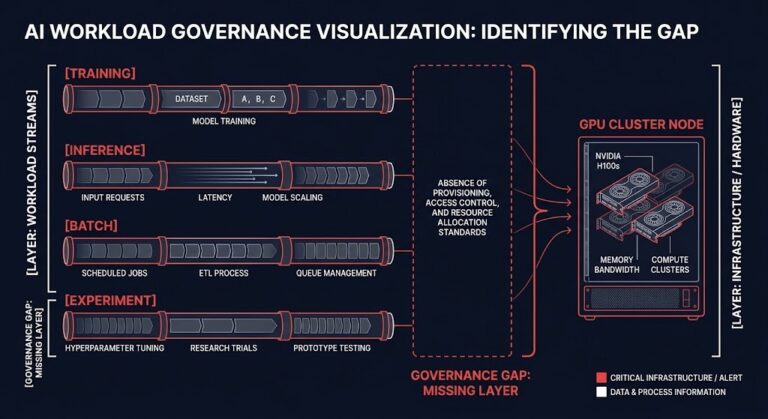
GPU allocation governance is becoming the defining AI infrastructure challenge of 2026 — not because enterprises cannot acquire GPUs, but because they cannot arbitrate…
READ MORE →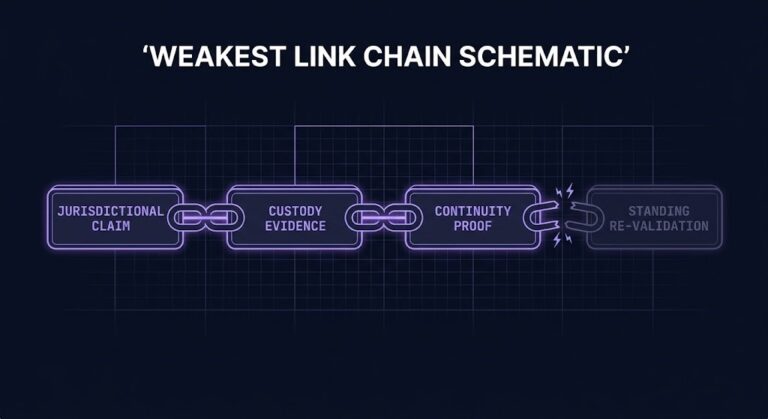
Sovereignty evidence is the difference between an architecture that can survive an audit and one that only survives a sales call. Ask ten organizations…
READ MORE →