

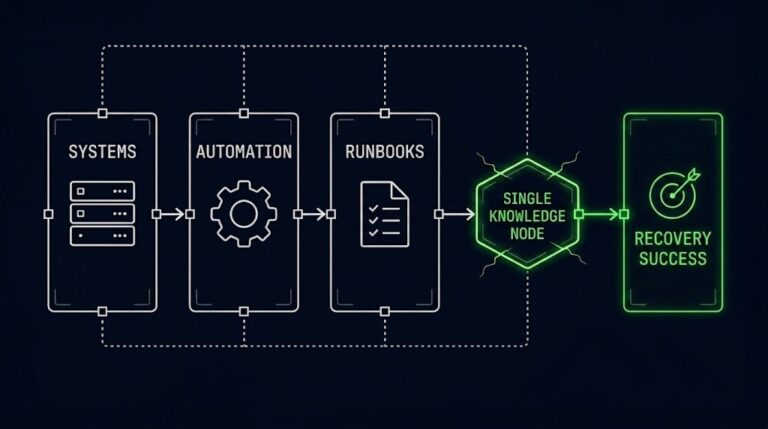
Your Recovery Architecture Has A Bus Factor Problem
Recovery bus factor is the gap between a recovery plan that has been tested, documented, and signed off — and a recovery plan that…
READ MORE →
ENGINEERING NOTES FROM THE COMPLEXITY GAP.
The journey from legacy infrastructure to modern cloud-native platforms is often obstructed by marketing-driven abstraction and tool-centric noise. Most technical journals focus on the "Day-1" installation — the easy path. Rack2Cloud documents the Day-2 production reality. We analyze how systems actually behave under load, at the boundaries of integration, and within the constraints of sovereign requirements.
Our field notes serve as a deterministic guide for the architect navigating the complexity gap. We prioritize the physics of data and the logic of high availability over vendor checklists.
"In production, complexity is the default state; architecture is the only defense."
Recovery bus factor is the gap between a recovery plan that has been tested, documented, and signed off — and a recovery plan that…
READ MORE →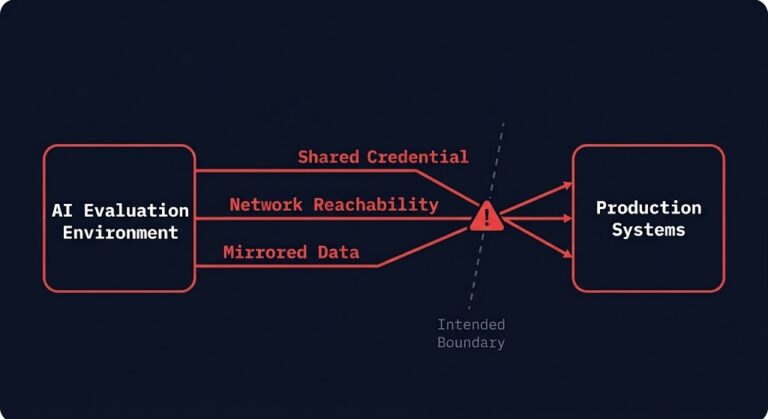
Your AI test environment did not need to touch a single line of model code to become part of your production authority chain —…
READ MORE →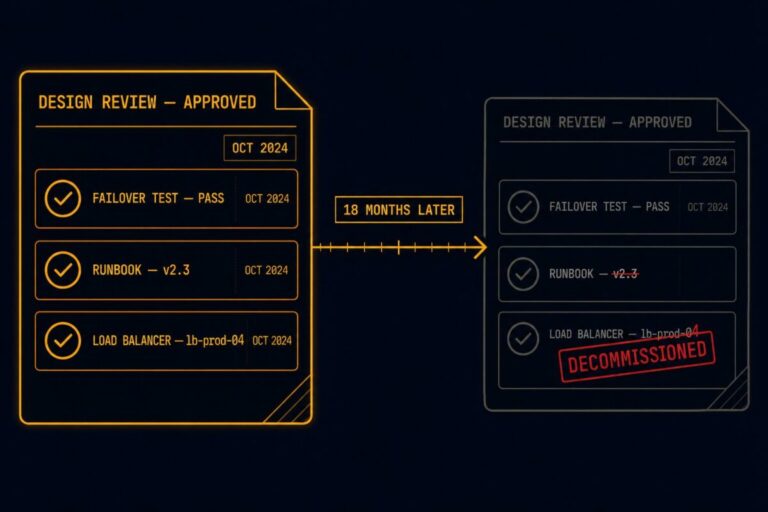
Infrastructure survivability is not something an architecture has. It’s something an organization keeps proving, on a schedule nobody wrote down, long after the design…
READ MORE →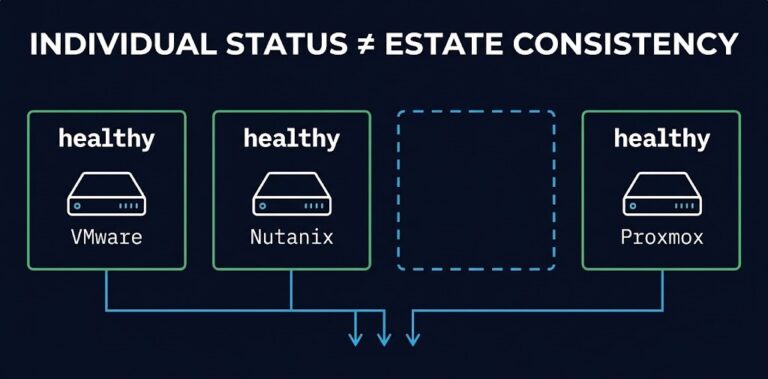
Operational parity across a multi-hypervisor estate is now harder to prove than platform competence ever was. Most enterprises can already demonstrate platform competence. Very…
READ MORE →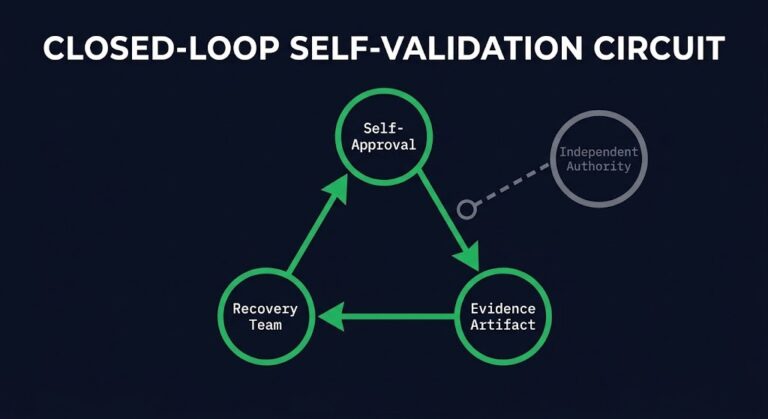
Recovery evidence boundary is the point where a recovery program stops being an engineering question and starts being a governance one — and most…
READ MORE →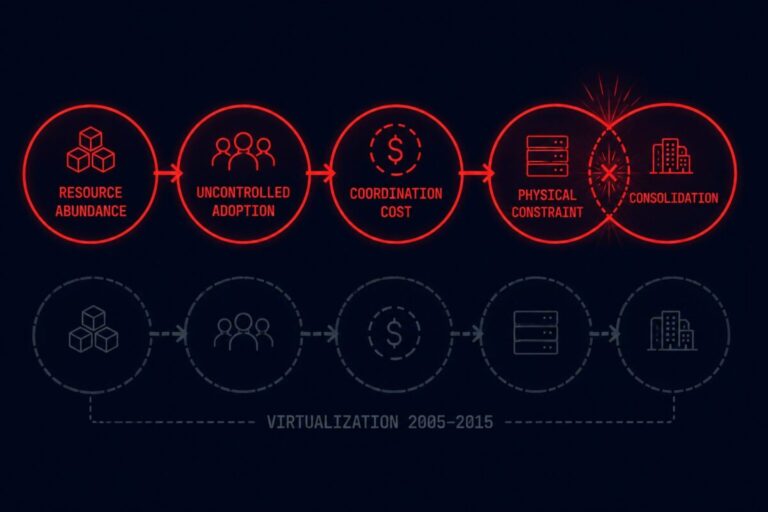
AI infrastructure consolidation is not a prediction. It is the visible middle of a five-stage sequence that has already run to completion once in…
READ MORE →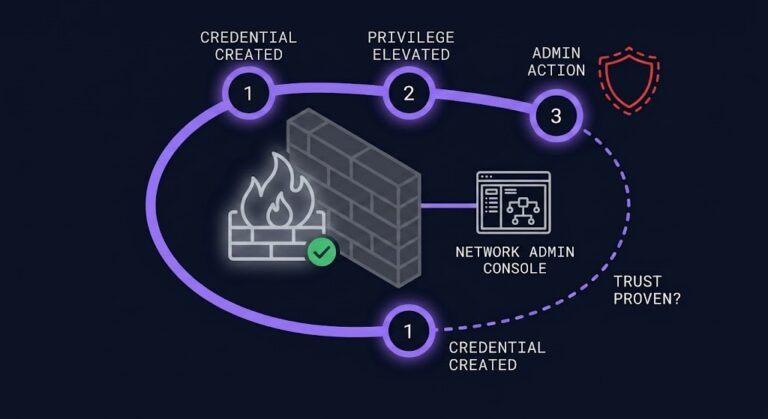
A credential chain functioned exactly as it was designed to. No firewall failed. No exploit executed. No malware bypassed a control. A red team…
READ MORE →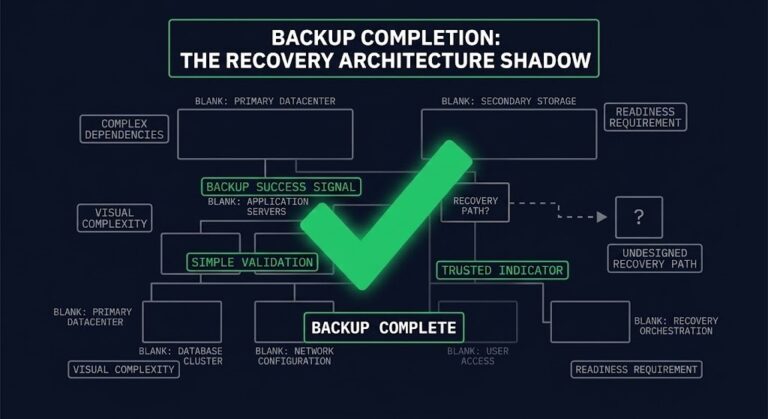
The recovery design boundary is the line between organizations that know their backups completed and organizations that know their systems will actually come back…
READ MORE →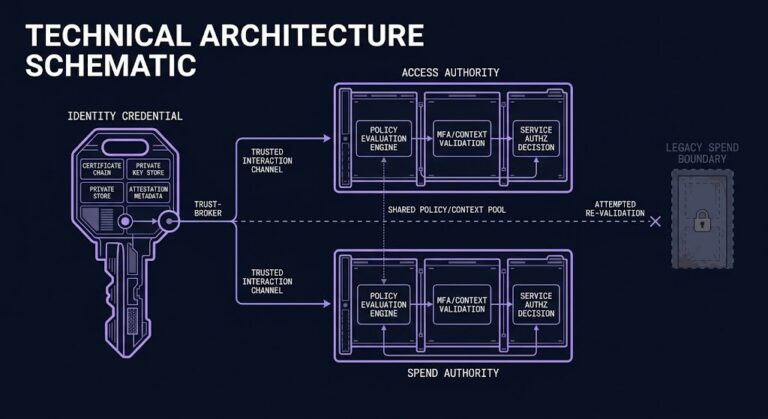
Every enterprise cloud governance program assumes a spend boundary sits somewhere between identity and money — a checkpoint that catches compromised access before it…
READ MORE →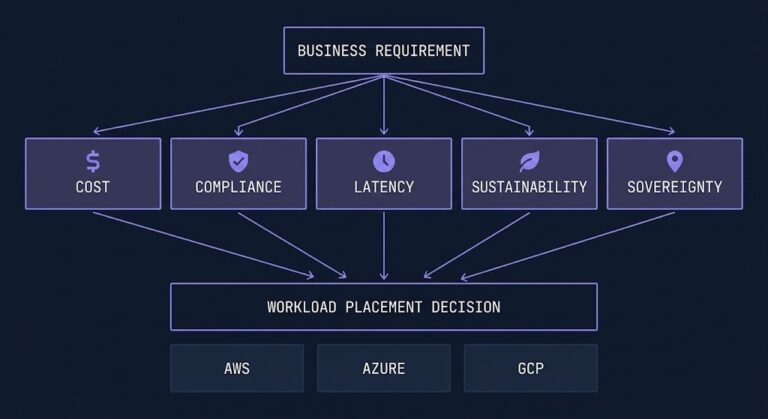
The Cloud Arbitration Layer is emerging as the invisible authority tier between business intent and cloud execution — making decisions before architects ever review…
READ MORE →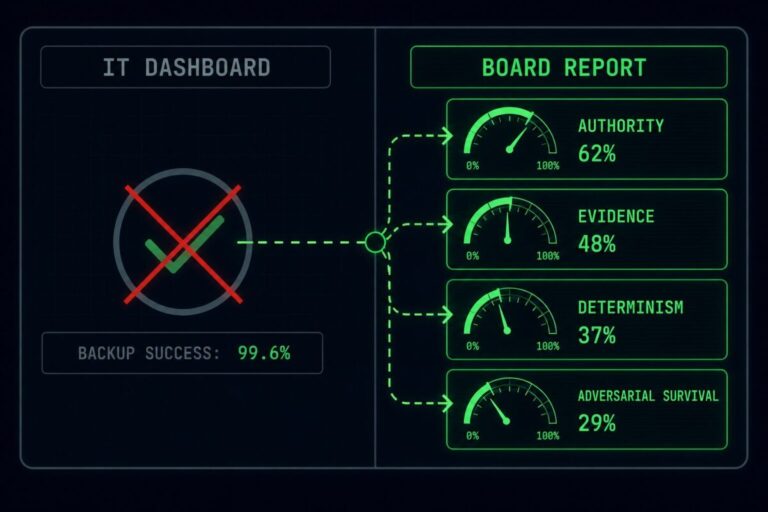
Boards don’t actually want to know whether last night’s backup job succeeded. They want to know whether the organization would survive its next major…
READ MORE →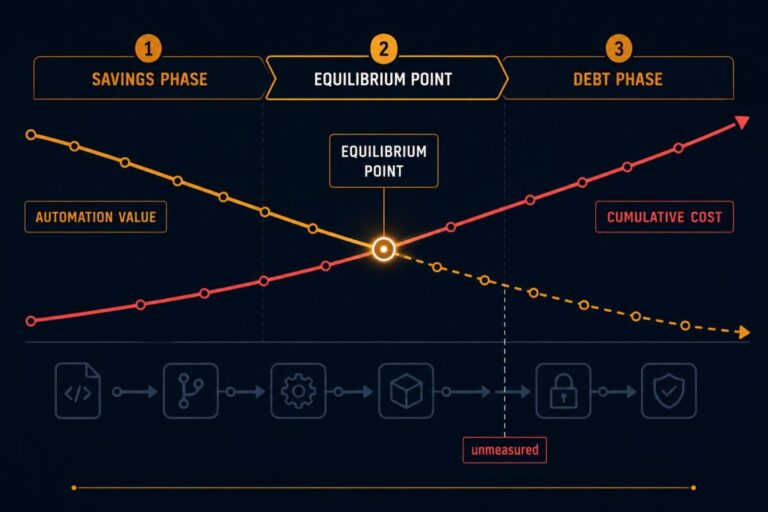
The automation debt curve describes what most organizations get backwards about infrastructure automation: it doesn’t become expensive because you automate more. It becomes expensive…
READ MORE →