

Patch Consumption Capacity: Deadlines Attach to Assets. Delivery Runs on Updates.
A CVE count measures disclosure. Patch consumption capacity measures what a team can remediate: obligations, delivery units and concurrency.
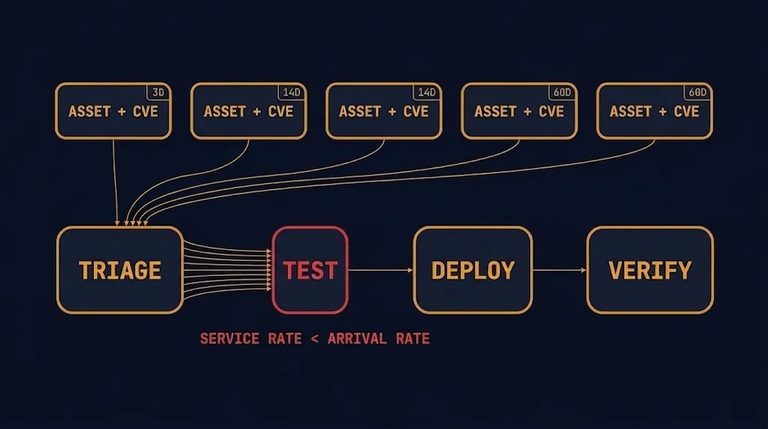
A CVE count measures disclosure. Patch consumption capacity measures what a team can remediate: obligations, delivery units and concurrency.
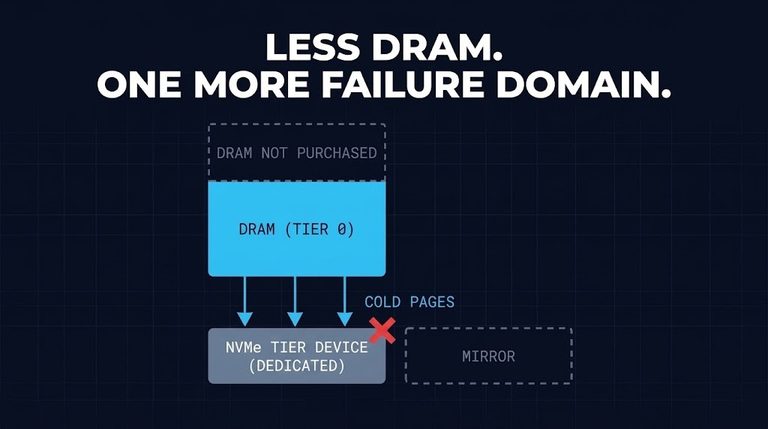
Memory tiering turns a DRAM purchase into two decisions: how much memory you can stop buying, and how much you will put behind one NVMe device. What Broadcom’s vSphere 9.1 documentation establishes, what it leaves open, and the five gates a host should pass first.
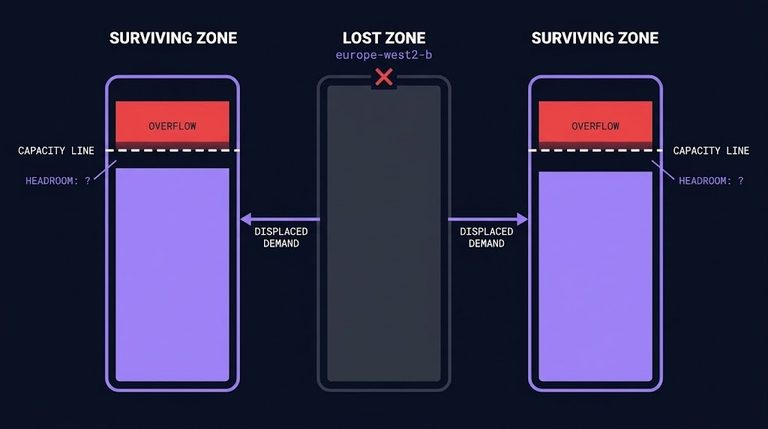
Google’s europe-west2 report describes a zone loss and then a second failure: surviving zones that could not absorb the displaced load. A zone-loss capacity test makes that second failure measurable.
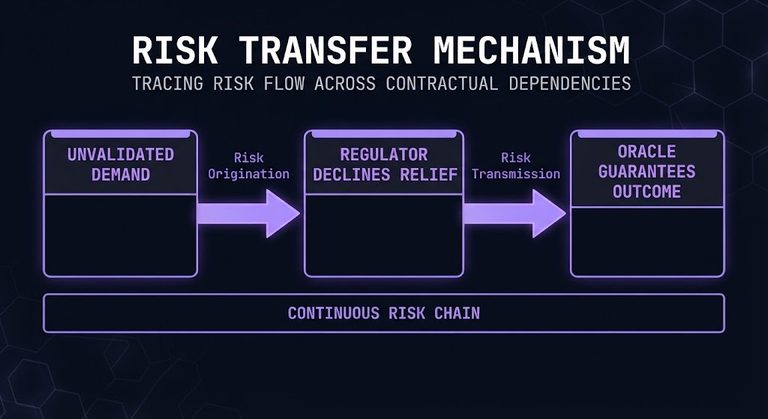
Oracle’s power guarantee for a nearly one-gigawatt Wisconsin AI campus was never really a story about electricity. Oracle says it may ultimately have to post more than $7 billion in financial security, likely in the form of a letter of credit, at a financing cost that could exceed $100 million a year, to back power…
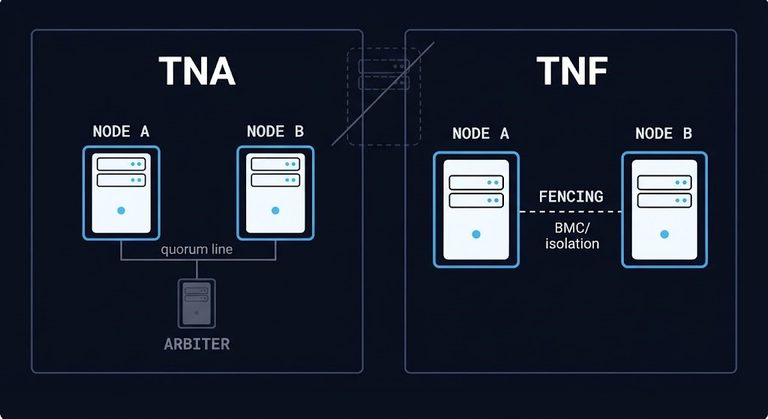
Two-node edge deployment no longer means what it meant two years ago. Red Hat now has two production-grade ways to run an OpenShift edge cluster on two servers instead of three, and both address the failure-coordination problem through different mechanisms. TNA preserves a third etcd vote through an arbiter; TNF uses hardware fencing to isolate…
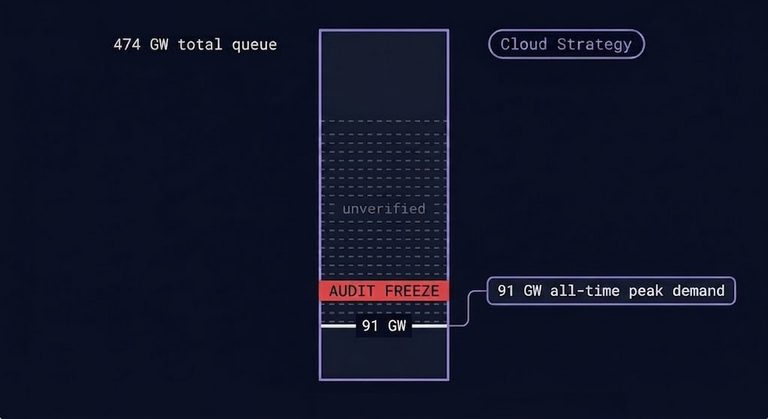
Phantom capacity is the planning problem underneath Texas’s decision to freeze new data center grid connections, and the problem has less to do with megawatts than with whether the demand signals feeding the queue can be trusted. On August 3, Governor Greg Abbott ordered the Public Utility Commission of Texas and ERCOT to stop approving…
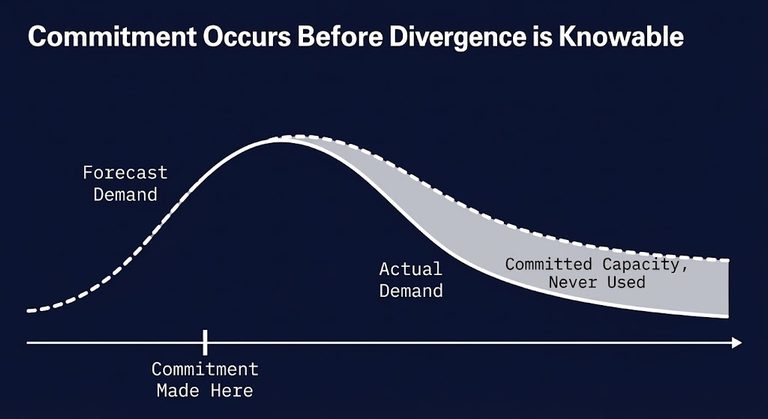
The capacity you paid for and the capacity your business actually consumed are almost never the same number, and the gap between them is where this hidden cost lives — not in a utilization dashboard, but in a decision that was made before anyone could know which number would win. You bought capacity because you…
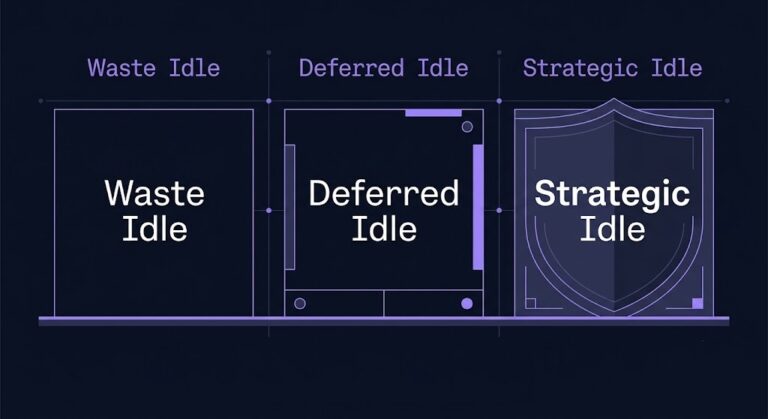
Idle capacity shows up on every utilization dashboard the same way: as a number that should be lower. Most infrastructure cost reviews ask why the organization is paying for capacity nobody is using. Architects should be asking a different question — what would become impossible tomorrow if that capacity disappeared tonight. That question rarely gets…
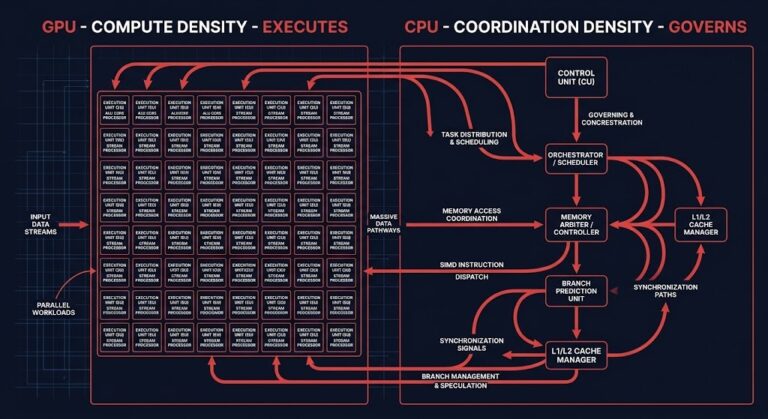
The CPU never left the stack. It was reclassified — quietly, and incorrectly — as support compute. Something that fed the GPU, scheduled around the GPU, and otherwise stayed out of the way while the GPU did the “real” work. That classification held for exactly as long as AI workloads were big, monolithic training and…
