-
-
How to Read a Cloud Bill Like an Architect
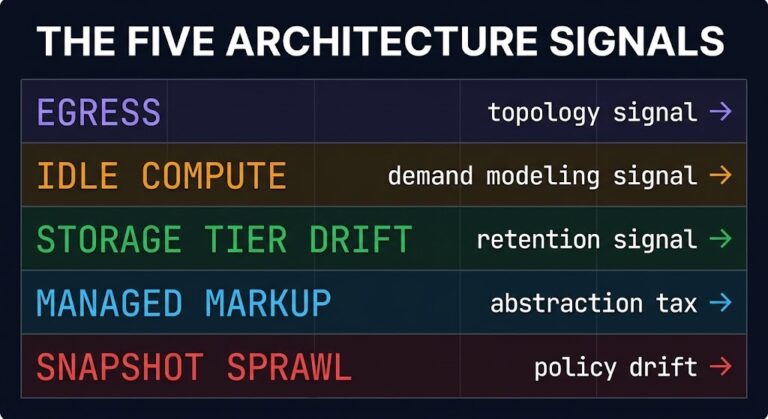
Cloud bill analysis is one of the most underused diagnostic tools in infrastructure architecture. Most engineers avoid it because it looks like finance. Most architects cannot afford to — because buried in the noise are five recurring signals that expose design decisions, not usage accidents. Thousands of rows. Hundreds of services. Endless SKU fragments. Most…
-
Google Just Moved the Control Plane Boundary
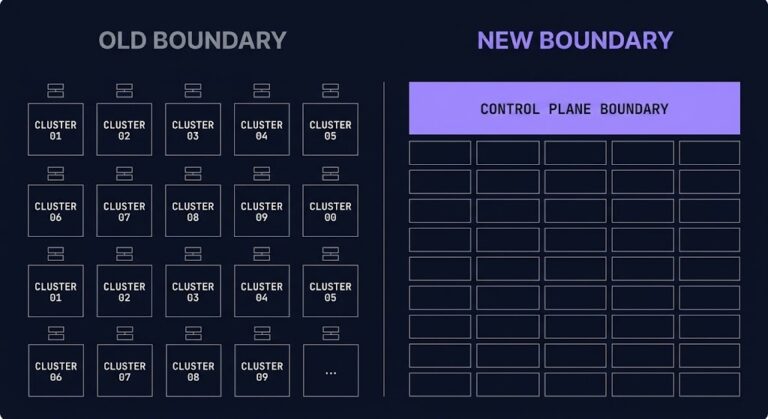
The control plane boundary just moved. Most platform architectures were not built for that assumption — and most teams have not noticed yet. For a decade, the Kubernetes scaling playbook had one move: add another cluster. Need more capacity? Add a cluster. Need workload isolation? Add a cluster. Need regional separation? Add a cluster. Need…
-
Cost Visibility Is Not Cost Control
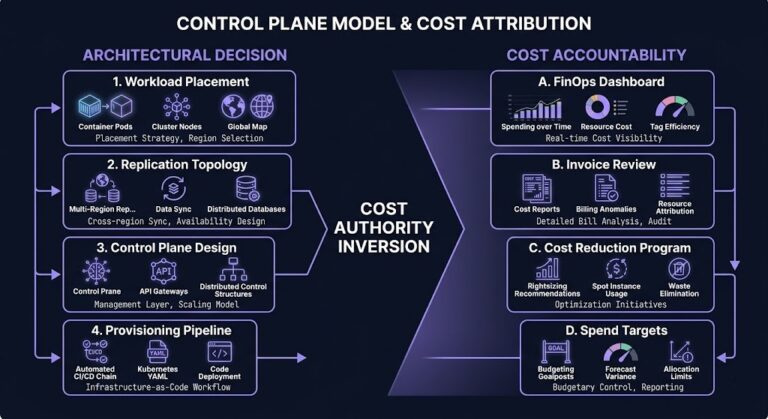
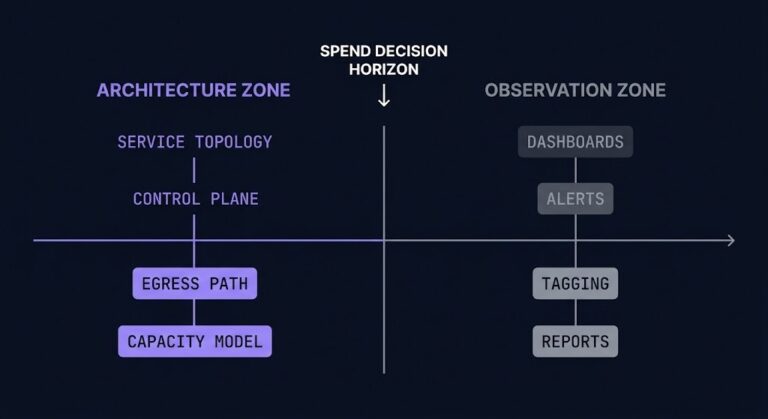
Cost visibility tells you what your architecture costs. Cost control determines whether that architecture should have existed in the first place. These are not the same discipline. Most organizations treat them as if they are — and the FinOps data proves they have been doing so for years without fixing the underlying problem. The State…
-
Azure VMware Solution vs Native Azure: Architecture Trade-offs, Costs, and Exit Risk
Azure VMware Solution looks like the safe path out of a Broadcom licensing conversation. Your team already knows vSphere. Your tooling already maps to VMware constructs. AVS lets you move workloads to Azure without retraining anyone or rearchitecting anything. On paper, the risk profile looks low. In practice, you’re not choosing where to run workloads….
-
Exit Cost as a First-Class Metric: The Architecture Constraint Nobody Models
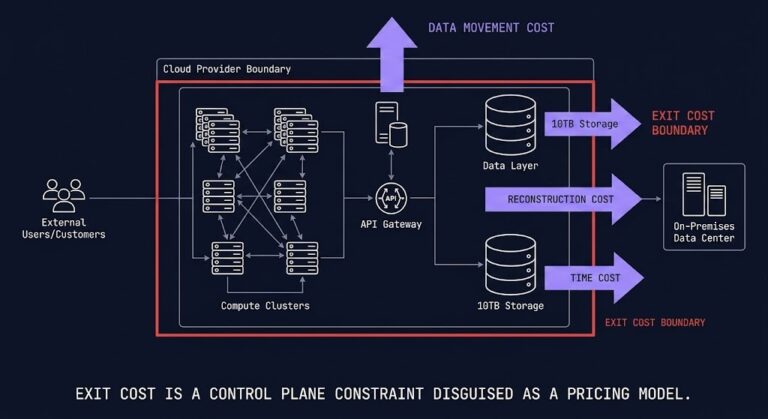
Most architectures assume mobility. Multi-cloud, failover, workload portability — these are modeled as design goals, written into strategy documents, and presented to leadership as evidence of vendor independence. Then the bill arrives. The ability to move a system is not determined at migration time. It is determined by the cost of moving it. If you…
-
AI Infrastructure | Cloud Architecture | Kubernetes | Modern Infrastructure | Virtualization Architecture
The Control Plane Shift: Every Infrastructure Decision Now Looks the Same
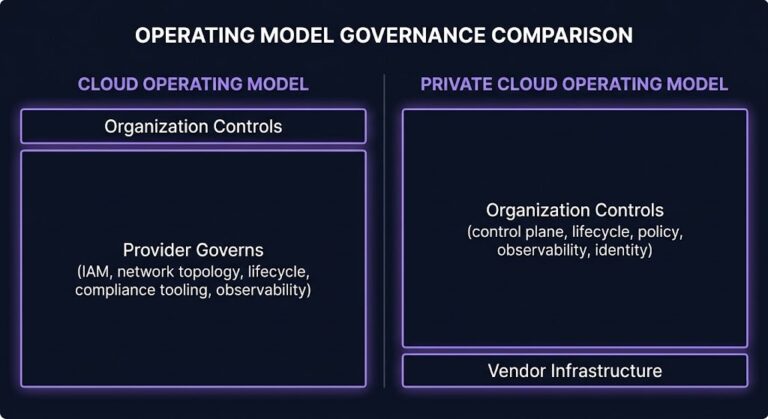
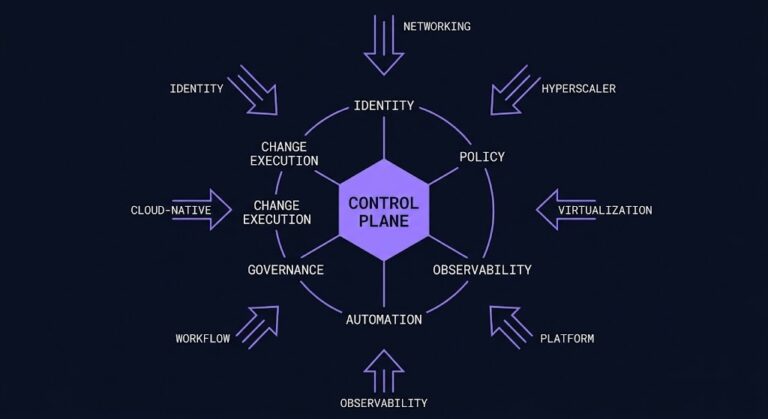
The control plane shift is the most important infrastructure concept of 2026 — and most teams are experiencing it three or four times simultaneously without recognizing it as the same decision each time. Your VMware renewal lands on the desk. The number is larger than last year. You open a spreadsheet and start modeling Nutanix….
-
March 31 Isn’t a Deadline. It’s a Forced Architecture Decision.
>_ Update — April 2026 March 31 has passed. Broadcom’s VCSP termination completed on schedule — no EU interim measures were granted, and the European Commission confirmed only that the CISPE antitrust complaint is being assessed under standard procedures. The forced architecture decision this post mapped is now in execution for thousands of affected organizations….
-
Regulating Generative AI: Lessons from Indonesia’s Grok Ban and What Comes Next
The Grok Ban: What Happened and Why It Matters Indonesia’s Communications and Digital Affairs Ministry temporarily blocked the AI chatbot Grok, developed by xAI and integrated into X, citing the AI’s ability to generate non-consensual sexual deepfake images, including disturbing depictions involving minors. This isn’t a “social media quirk.” It’s a regulatory first — a…
-
Which Workloads Should Never Leave The Cloud
(Even When Repatriation Looks Tempting) After publishing my piece on cloud repatriation, my inbox filled up fast. Not with disagreement—but with a different question: “Okay, fine. Some workloads should come home. But which ones absolutely should not?” That’s the right question. Cloud workload placement — deciding what stays versus what moves — is where repatriation…